Intelligent Transport Systems (ITS) are not a sci-fi concept but a reality that underpins the smooth functioning of modern transportation networks. While the term might sound futuristic, ITS refers to a wide array of technologies and systems designed to manage, operate, and optimize various transport modes and their interaction with infrastructure. The complexity of these systems can range from simple, stand-alone applications, such as a single speed-activated sign, to highly intricate network-wide deployments. They are the invisible hand guiding the flow of traffic, a subtle but powerful force for efficiency and safety.
The implementation of ITS applications is driven by a few key objectives, all aimed at enhancing the efficiency and safety of our transport systems. The primary goals are to:
Improve Safety: ITS helps reduce accidents by monitoring road conditions, providing real-time warnings to drivers, and managing traffic flow to prevent congestion. For example, a system might detect a sudden slowdown ahead and alert drivers via a Variable Message Sign (VMS) on a motorway, giving them more time to react. Advanced systems can also detect vehicles driving the wrong way down a slip road or identify stalled vehicles in a live lane, automatically alerting control centres and triggering safety protocols.
Increase Capacity: By optimising traffic flow, ITS helps get the most out of existing road networks without the need for expensive and disruptive new construction. This includes systems that adjust traffic signals in real-time to ease congestion at peak hours or Managed Motorways that use active traffic management to smooth traffic flow and increase throughput.
Inform Users: ITS provides crucial information to travellers, helping them make better decisions about their journeys. This can include real-time updates on traffic, journey times, and parking availability, accessible via apps, websites, or roadside signs. This data empowers drivers to choose alternative routes, adjust their departure times, or find a parking space with minimal fuss.
Manage Assets: These systems help transport authorities monitor and maintain their infrastructure more efficiently. Sensors can detect issues with road surfaces, bridges, or tunnels, allowing for proactive maintenance and reducing the risk of failures. This data-driven approach shifts maintenance from a reactive to a predictive model, saving time and resources.
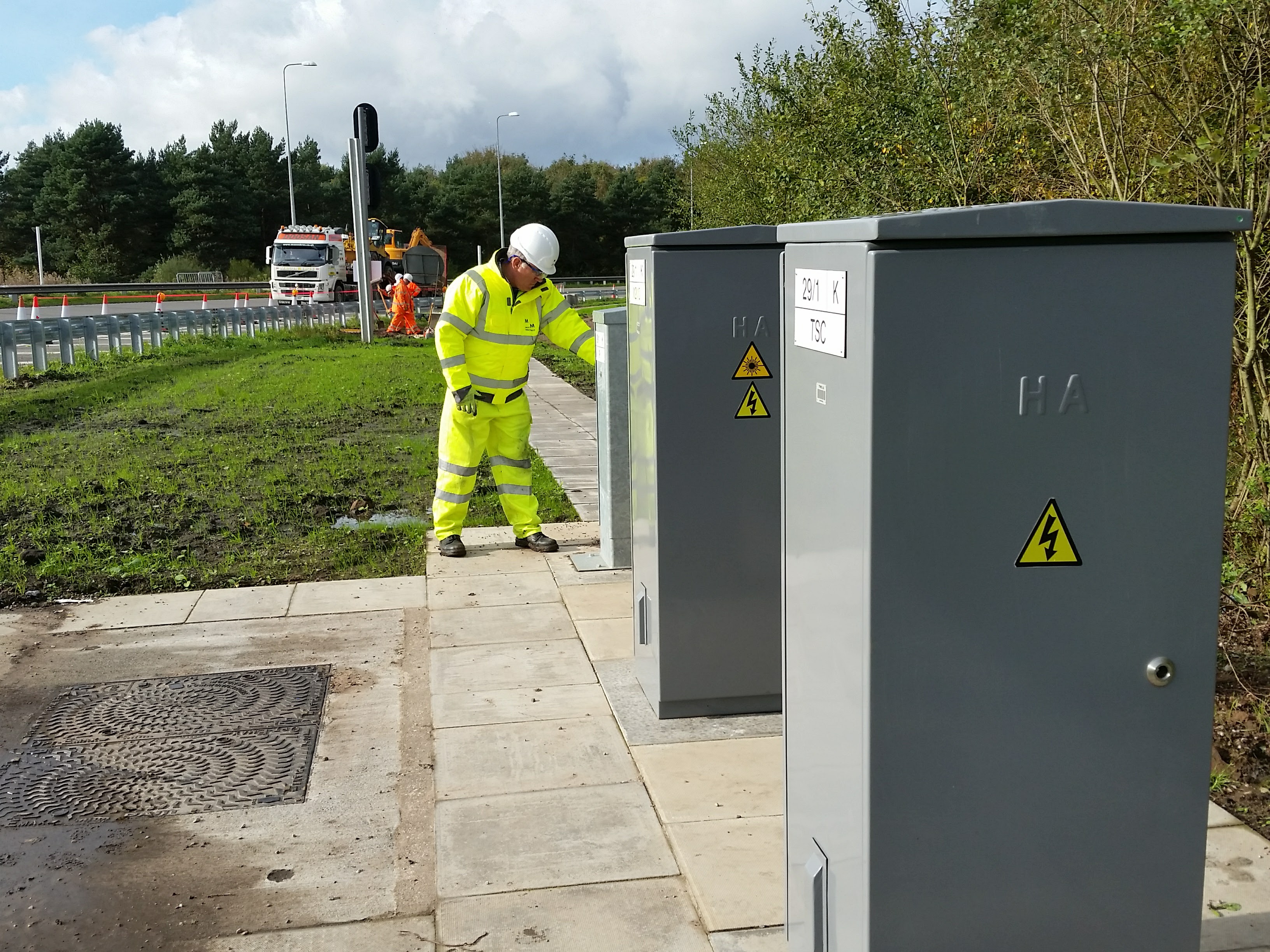
In a highway context, ITS applications are often categorized into two groups:
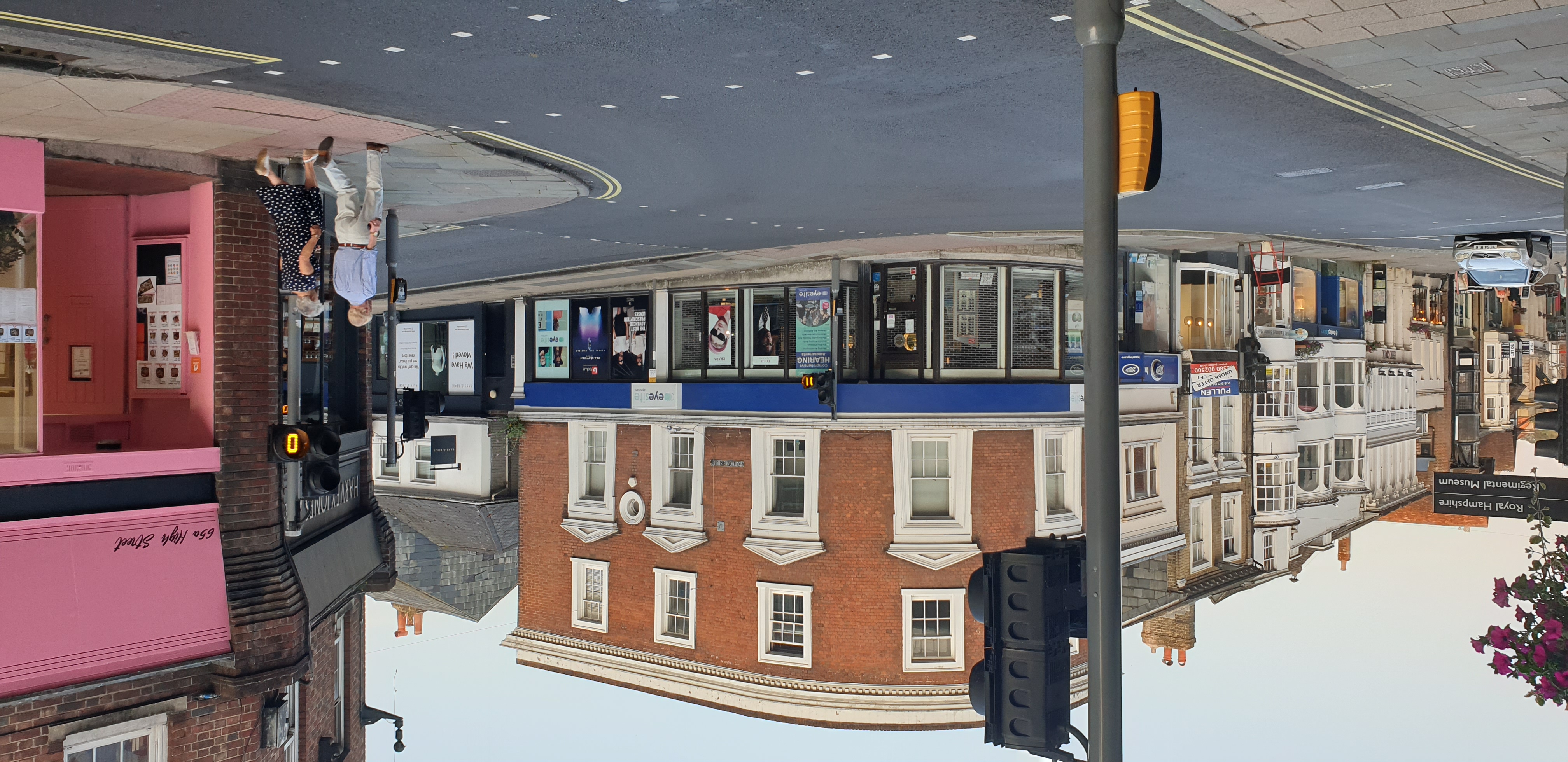
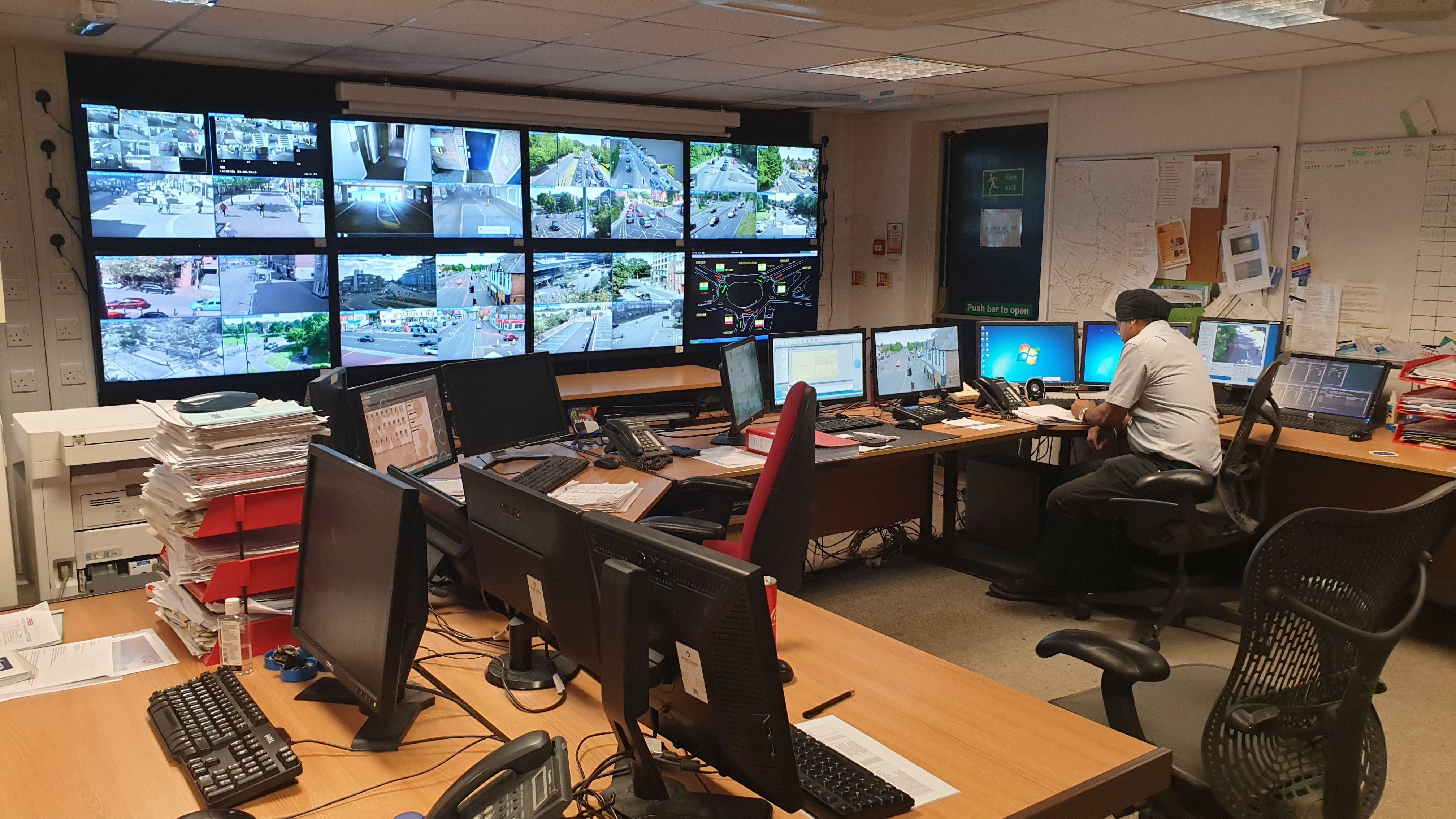
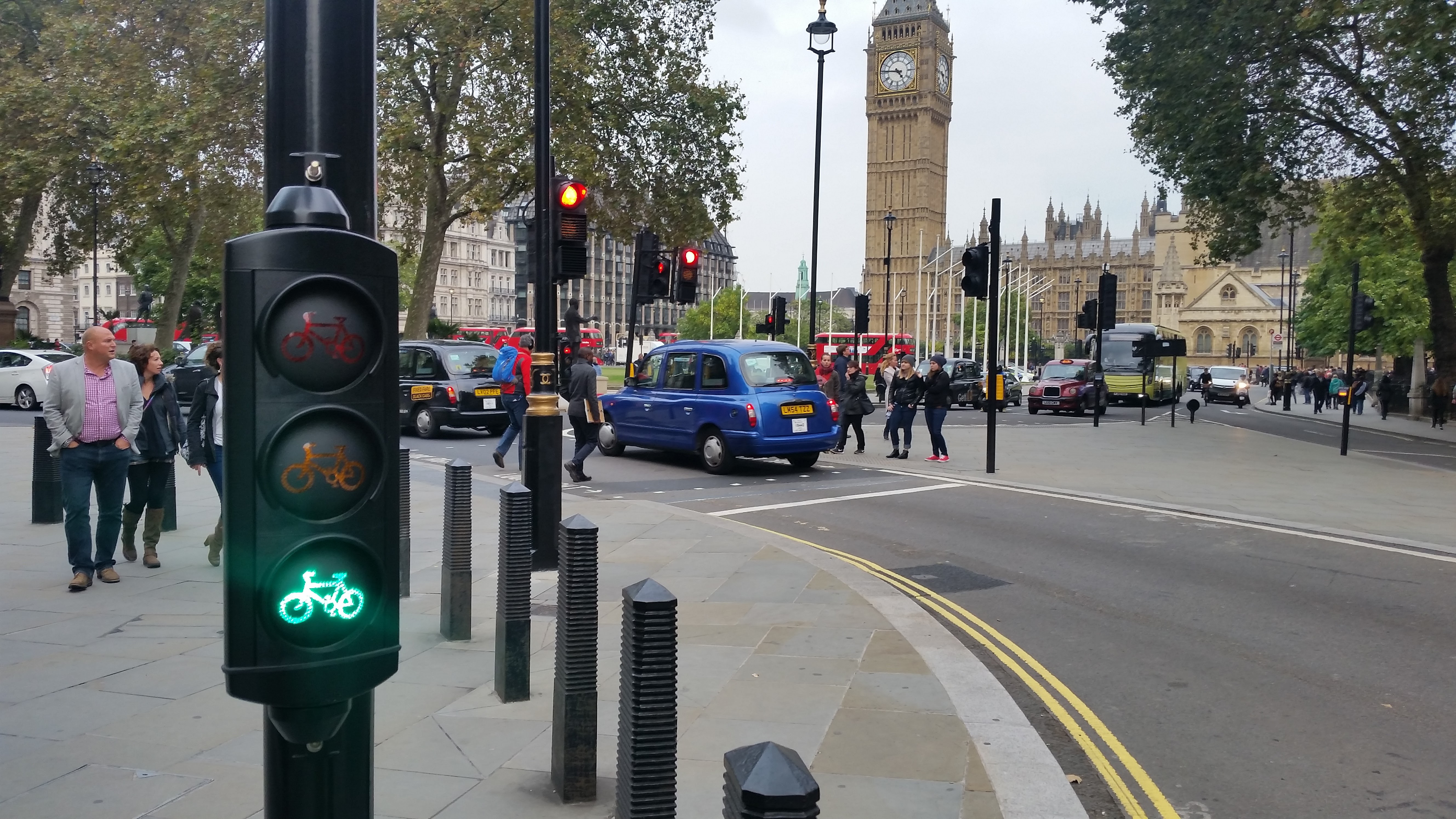
Urban Implementations: As the name suggests, these are technologies deployed within towns and cities. A prime example is an Urban Traffic Control (UTC) system, which coordinates traffic signals across an entire road network. These systems use data from an array of traffic sensors-like inductive loops embedded in the road or CCTV cameras-to adjust signal timings in real-time, helping to manage traffic flow, reduce congestion, and improve air quality. They often integrate with other features like traveller information, journey time updates, and parking availability sub-systems, providing a holistic view of the urban transport network. The ubiquitous traffic light, a seemingly simple part of our daily lives, is a perfect illustration of how deeply integrated and yet often overlooked these complex ITS systems have become.
Inter-Urban Implementations: This category relates to technologies found on motorways and trunk roads. Applications here are designed to actively manage traffic flow over longer distances. One common feature is the use of variable speed limits displayed on overhead gantries to smooth out traffic, prevent the sudden braking that leads to congestion, and improve journey time reliability. These systems are supported by a comprehensive vehicle detection infrastructure that provides the necessary data. Other features include ramp metering, which restricts the volume of traffic entering a motorway to prevent bottlenecks, and automatic enforcement systems, which detect drivers who ignore closed lanes or variable speed limits. CCTV cameras are also an integral part of these systems, allowing network operators to visually monitor traffic or respond to incidents.
At its heart, ITS is an intricate interplay of hardware and software. The data that powers these systems is collected by a variety of sensors. Inductive loops, embedded in the road, detect the presence and speed of vehicles. Radar and lidar sensors provide highly accurate data on traffic flow and can identify incidents. CCTV cameras serve as both data collectors for traffic analysis and a visual tool for network operators. This raw data is then transmitted via a comprehensive communication network-often a combination of dedicated fibre optic lines and wireless technologies-to a central control system. Here, powerful software analyses the data in real-time to make decisions, whether it's adjusting a traffic signal, changing a speed limit, or displaying a warning message. It's this combination of robust data collection and intelligent data processing that makes ITS so effective.
Beyond safety and efficiency, ITS plays a crucial role in mitigating the environmental impact of transport. By reducing congestion, these systems directly lower fuel consumption and greenhouse gas emissions. Stop-and-go traffic is a significant source of pollution, and by smoothing out traffic flow, ITS helps vehicles operate more efficiently. Furthermore, ITS technologies are instrumental in enforcing and managing environmental policies, such as Low Emission Zones (LEZs) or congestion charging schemes. Using a network of Automatic Number Plate Recognition (ANPR) cameras, these systems can automatically identify and charge vehicles that don't meet environmental standards or enter a designated zone, helping to improve air quality in urban centres.
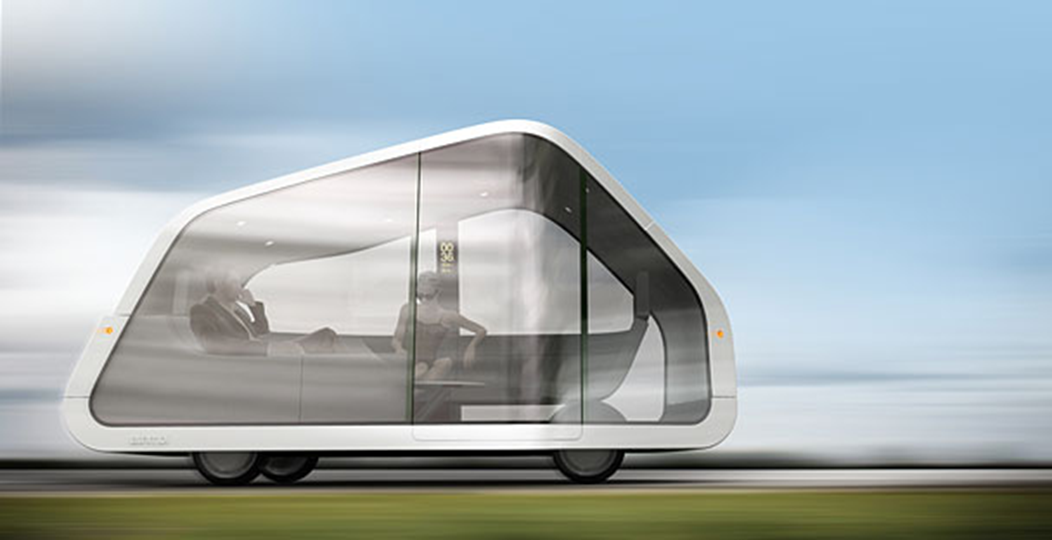
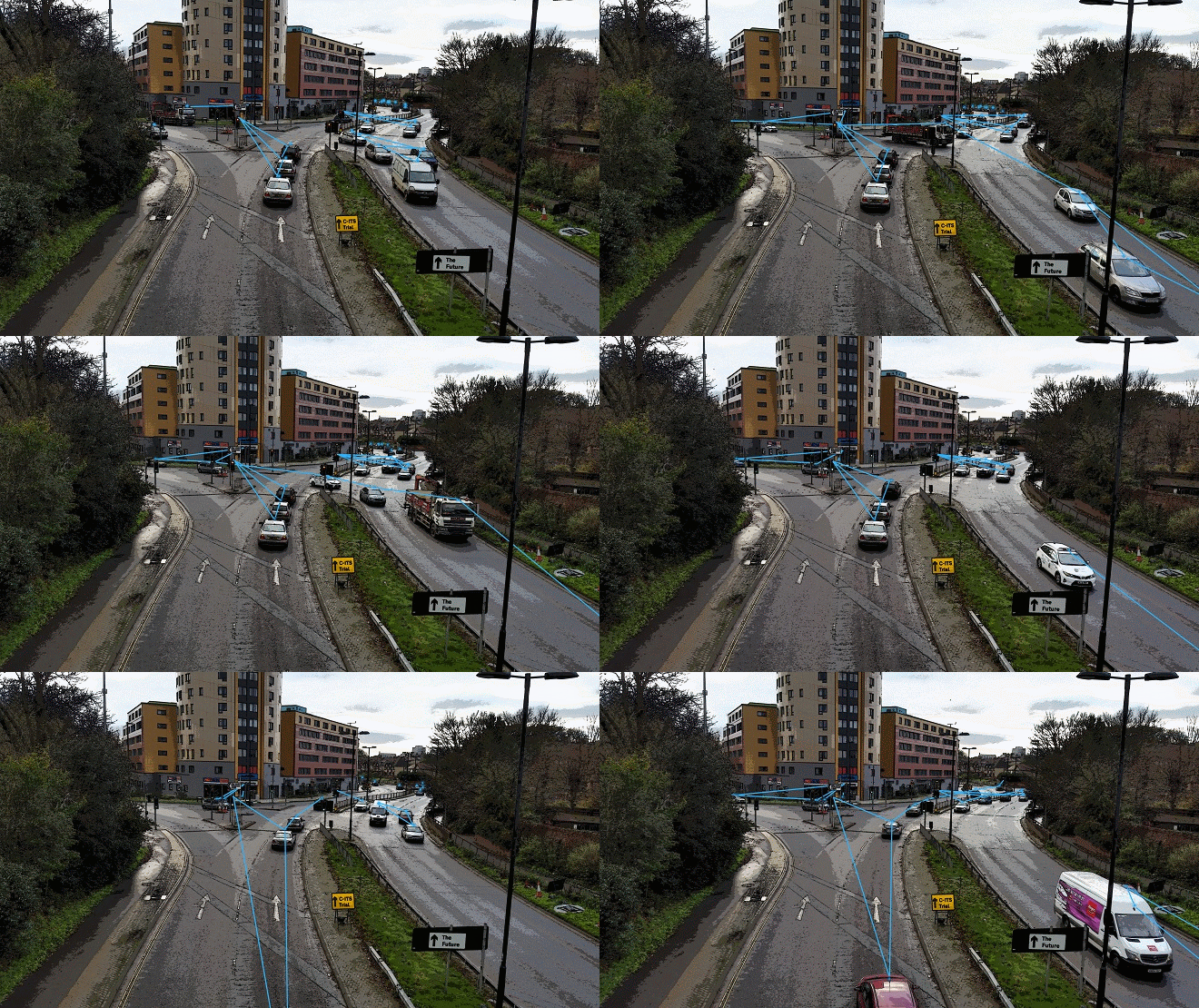
Looking ahead, the emergence of Connected and Autonomous Vehicles (CAVs) is set to radically transform our highway infrastructure. CAVs will be able to communicate with each other and with the road infrastructure, a concept known as Vehicle-to-Infrastructure (V2I) and Vehicle-to-Vehicle (V2V) communication. This will pave the way for even more sophisticated ITS applications, enabling cooperative driving, platooning (where vehicles travel in close-knit groups to reduce drag and increase road capacity), and truly smart intersections where traffic signals are no longer needed. In the interim, it's likely we'll see a continued focus on using technology to improve efficiency and safety through the provision of on-board information, equipping vehicles with the data they need to navigate our increasingly complex transportation networks. This fusion of smart vehicles and smart infrastructure will create a new era of transport, one that is safer, more efficient, and more sustainable than ever before.
More to read here> Articles