150x150.png)
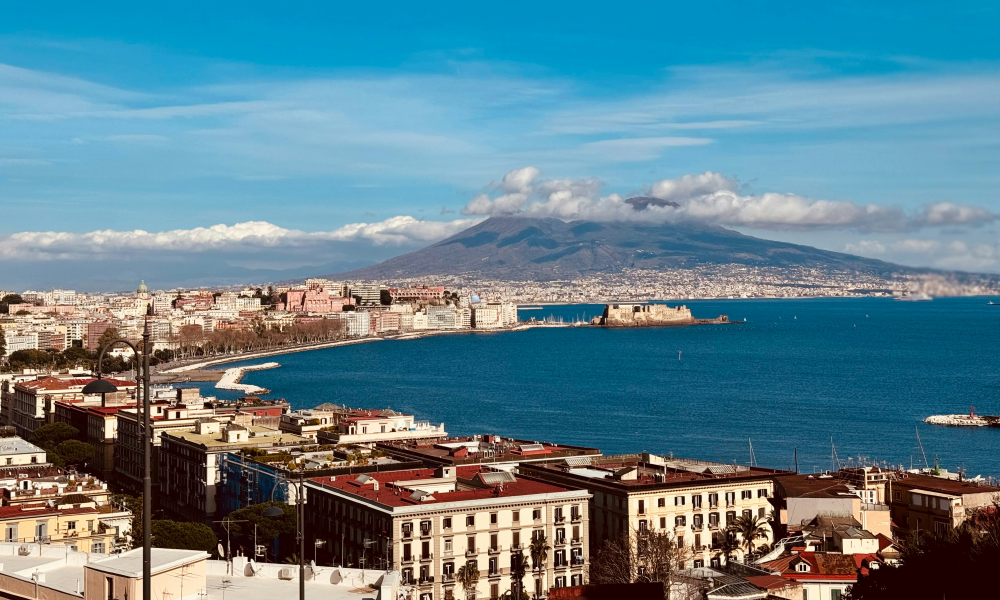
The annual gathering of the global Intelligent Transportation Systems community has always carried a certain energy, yet this year’s IEEE Intelligent Transportation Systems Conference in Naples felt like a moment when the field paused to take stock of its own momentum. Naples offered a setting that encouraged reflection. The city’s layered history, its Mediterranean light and its sense of lived continuity created a backdrop that suited a discipline now grappling with the complexity of future mobility. The Stazione Marittima, perched on the waterfront, became a temporary home for researchers, engineers, policymakers and industry leaders who arrived with a shared purpose to explore how intelligent systems can reshape the way societies move. More than a thousand participants gathered for four days of discussion, demonstration and debate, marking the first time the flagship conference had been hosted in Italy.
The opening ceremony set the tone. Stefania Santini, the General Chair, welcomed delegates with a sense of pride in what the event represented for the region and for Italy’s research community. Her remarks were followed by contributions from regional leaders and national infrastructure representatives, each emphasising the importance of innovation in transport. The presence of figures such as Mario Casillo from the Campania Region and Sergio Repetto from RFI underlined the seriousness with which Italy is approaching the transformation of its mobility systems. Their messages framed the conference as both a scientific milestone and a strategic opportunity.
The programme was vast. Sixteen parallel sessions ran alongside twenty-eight workshops and seven tutorials, creating a rhythm that demanded careful navigation. The theme, Innovative Solutions for Future Transportation, encouraged contributors to stretch beyond incremental improvements and consider the systemic shifts required for safer, cleaner and more efficient mobility. Presentations ranged from advanced modelling techniques to real-world deployment case studies, reflecting the breadth of a sector that now spans connected vehicles, autonomous systems, digital twins, multimodal optimisation, resilient infrastructure and data-driven policy design. The variety of sessions demonstrated how ITS has matured into a discipline that blends engineering rigour with societal relevance.
The industrial panels and demonstrations added a practical dimension. Exhibitors showcased technologies that are edging closer to mainstream adoption, including sensor fusion platforms, cooperative perception systems, next-generation traffic management tools and AI-enhanced mobility services. Delegates moved between stands where prototypes hummed quietly, algorithms ran in real time and interfaces revealed glimpses of future control rooms. The atmosphere suggested a field that is no longer content with theoretical promise. The emphasis on deployment, integration and measurable impact was unmistakable.
One of the most anticipated elements was the IEEE ITSS–ITE Joint Forum. This collaboration between the IEEE Intelligent Transportation Systems Society and the Institute of Transportation Engineers brought together communities that often work in parallel. The forum encouraged conversations that bridged academic research, professional practice and public policy. Participants discussed how cities can prepare for autonomous mobility, how data governance frameworks should evolve and how infrastructure investment can support emerging technologies. The dialogue felt grounded in reality. Delegates acknowledged the challenges of implementation, from regulatory uncertainty to interoperability barriers, yet the tone remained constructive. The forum served as a reminder that ITS innovation must be matched by institutional readiness.
The conference also placed strong emphasis on the next generation of ITS professionals. Initiatives such as the Talent Portal and CV Booklet provided visibility for students and early-career professionals, while the Hackathon offered a fast-paced environment for creative problem-solving. These activities recognised that the future of mobility will be shaped by those who are currently entering the field. The organisers ensured that younger participants were not merely observers but active contributors. Their presence brought a sense of optimism to the event.
Naples itself played a role in shaping the experience. Delegates stepped out of sessions into a city that has been continuously inhabited for millennia. Its streets, architecture and cultural heritage offered a reminder that mobility is ultimately about people and place. The organisers encouraged participants to explore the region, from the historic centre to the Amalfi and Sorrento coasts, and many took advantage of the opportunity. Conversations continued over meals, during walks and on tours, reinforcing the idea that innovation thrives when people connect beyond formal settings.
The logistical arrangements reflected the scale of the event. The availability of the official programme app helped delegates navigate the dense schedule, while the extended deadlines for presentation format changes ensured that international contributors facing travel restrictions could still participate meaningfully. These practical considerations demonstrated a commitment to inclusivity and global engagement.
As the conference progressed, a recurring theme emerged. Intelligent Transportation Systems are no longer viewed as a collection of discrete technologies. They are understood as components of a wider ecosystem that must operate coherently. Researchers spoke about the need for integrated approaches that consider behavioural patterns, environmental impacts, economic constraints and governance structures. Industry representatives emphasised the importance of standards, reliability and scalability. Policymakers highlighted the need for evidence-based decision-making. The convergence of these perspectives suggested that the field is entering a phase where collaboration is not optional but essential.
The closing discussions carried a sense of momentum. Delegates left with new partnerships, refined ideas and a clearer understanding of the challenges ahead. The conference reinforced the notion that ITS innovation is accelerating, yet it also highlighted the responsibility that comes with shaping future mobility. The technologies showcased in Naples will influence how cities function, how goods move and how people experience daily life. The event served as a reminder that engineering excellence must be matched by ethical consideration and societal awareness.
The IEEE Intelligent Transportation Systems Conference in Naples succeeded in bringing together the global ITS community at a moment when the field is poised for significant transformation. It provided a platform for rigorous debate, practical demonstration and strategic reflection. It celebrated innovation while acknowledging complexity. It encouraged ambition while grounding discussions in real-world constraints. Most importantly, it reinforced the idea that the future of mobility will be shaped by those who are willing to collaborate across disciplines, sectors and borders.
The significance of this year’s conference lies not only in the research presented but in the collective recognition that intelligent transportation systems are central to the future of global mobility. Naples offered a glimpse of what that future might look like. The conversations that took place there will influence the direction of the field for years to come.
Click the buttons below to see more articles:
See all ArticlesIndustry InsightEventsITS Thought LeadershipITS Educational