150x150.png)
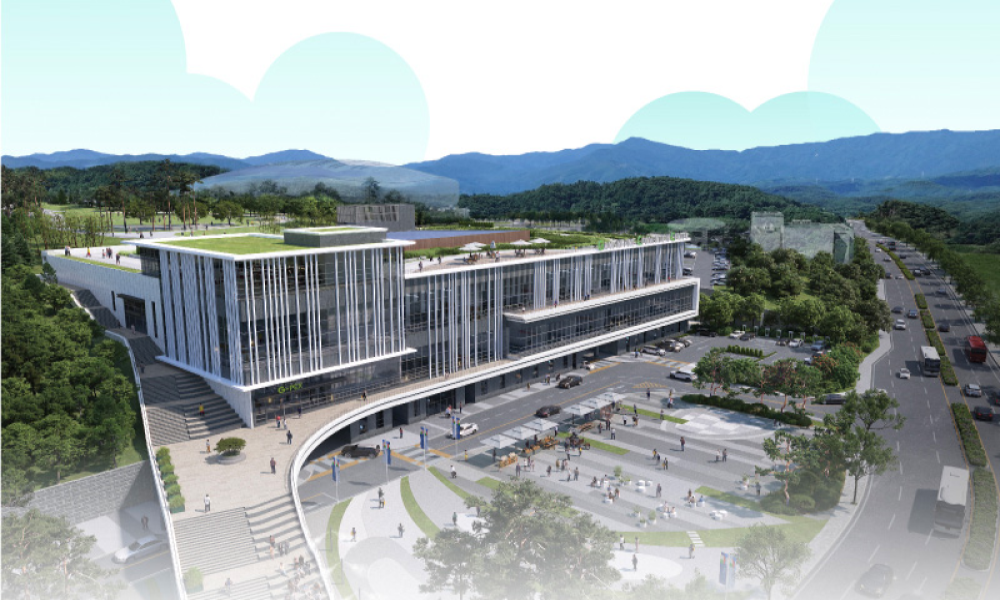
Gangneung enters the 2026 ITS World Congress with a theme that feels perfectly attuned to the moment. Beyond Mobility, Connected World is more than a slogan. It is a recognition that transport has evolved into a living digital ecosystem, shaped by intelligence, connectivity and human need. Movement is no longer defined by the simple act of travelling between two points. It is an experience woven through daily life, influencing how communities grow, how cities breathe and how societies function. The Congress invites the global ITS community to explore this expanded horizon, where mobility becomes a catalyst for sustainability, safety, inclusivity and seamless integration.
The idea of going beyond mobility begins with acknowledging how profoundly transport has changed. Networks that were once linear and mechanical are now dynamic and responsive. Artificial intelligence interprets patterns that humans cannot see. Hyper-connectivity links vehicles, infrastructure and travellers in real time. Autonomous systems navigate with precision, while digital platforms shape journeys that adapt to demand, weather, congestion and personal preference. These capabilities are not abstract ambitions. They are already emerging across cities worldwide, and Gangneung offers a compelling stage to examine how they can be deployed with purpose.
Gangneung’s character makes this exploration especially meaningful. The city is known for its coastal beauty, cultural heritage and welcoming atmosphere, attracting visitors from across Korea and beyond. It is also a mid-sized urban environment with challenges that mirror those faced by many cities of similar scale. An ageing population, residents with limited mobility, seasonal surges in tourism and infrastructure constraints create pressures that demand thoughtful solutions. Gangneung’s size, diversity and rhythm make it an ideal testbed for connectivity-driven ITS innovation. Lessons learned here will resonate far beyond the city’s boundaries, offering guidance for metropolitan regions grappling with complexity on a larger scale.
Sustainability sits at the heart of the Congress theme. Transport systems must support environmental stewardship, economic vitality and long-term resilience. Gangneung’s approach reflects this balance. Eco-friendly autonomous electric vehicles promise cleaner movement across the city. AI-powered energy management can optimise charging cycles, reduce waste and support carbon-neutral ambitions. These technologies are not simply about reducing emissions. They encourage a shift in how cities plan, operate and regenerate. Sustainable mobility becomes a foundation for healthier communities, more efficient resource use and urban environments that can thrive for generations. The Congress will explore how these ideas can be scaled, refined and embedded into everyday practice.
Safety is another defining pillar. Transport networks must protect everyone who uses them, whether they are drivers, cyclists, pedestrians or passengers. The rise of V2X communication creates opportunities to detect hazards before they materialise. Autonomous and connected vehicles can share information that eliminates blind spots and reduces reaction times. AI-driven traffic management centres can anticipate risks, adjust flows and intervene proactively. Smart crosswalks and pedestrian recognition systems offer protection for vulnerable road users, reinforcing the principles of Vision Zero. Gangneung’s varied streets, seasonal crowds and mix of residents and visitors provide a rich environment to test these safety innovations in real-world conditions.
Inclusivity shapes the third theme. Mobility must be accessible to all, regardless of age, ability or circumstance. Gangneung’s demographic profile makes this especially relevant. Wheelchair-accessible autonomous vehicles can transform independence for people with physical impairments. AI guidance systems can support those with visual or hearing challenges. Interfaces designed for older adults can reduce barriers and build confidence. Access channels that do not rely on smartphones ensure that technology does not exclude those who lack devices or digital literacy. Universal design principles can create spaces that welcome everyone. Inclusivity becomes a measure of social equity, ensuring that the benefits of advanced mobility are shared across the entire community.
Interoperability completes the thematic framework. Modern mobility depends on the seamless integration of diverse systems. Autonomous shuttles, public transport, shared vehicles and multimodal hubs must operate as a unified network. Gangneung’s Traffic Management Centre can act as the brain of this ecosystem, linking services through a MaaS platform that simplifies journeys and enhances efficiency. AI-based demand prediction can help the city respond to peaks and troughs. Dynamic signal control can smooth flows across busy corridors. Smart parking management can reduce congestion and improve access. In a fully realised C-ITS environment, the city becomes an intelligent organism, capable of adapting to changing conditions and optimising resources in real time.
The Congress will bring these themes together in a way that reflects the complexity and promise of contemporary mobility. Delegates will encounter technologies that are ready for deployment, strategies that challenge conventional thinking and discussions that explore how cities can evolve with clarity and purpose. Gangneung’s unique blend of charm, challenge and ambition will shape the narrative, offering a perspective that is both grounded and forward-looking. The city’s experience will demonstrate how mid-sized urban environments can lead innovation, providing insights that benefit larger metropolitan regions facing similar pressures at greater scale.
Find out more about the topics HERE
Click the buttons below to see more articles:
See all ArticlesIndustry InsightEventsITS Thought LeadershipITS Educational