150x150.png)
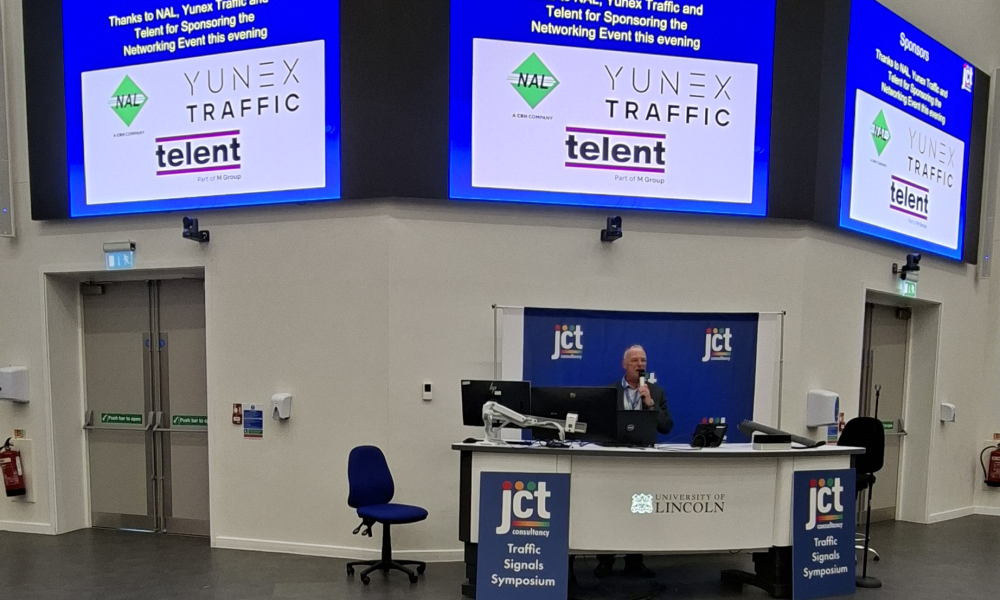
The 31st annual JCT Traffic Signal Symposium carried its familiar atmosphere once again. It remained part annual reunion, part technical deep dive and part celebration of a community that has spent decades shaping the craft of signal engineering. Returning again as a session chair brought a sense of continuity, yet it also created a moment to reflect on how closely the themes explored across the two days aligned with the subjects we had been writing about in recent weeks for ITS Now and ITS Edge. The event felt like a natural extension of the editorial thread that has run through our summer coverage.
This year’s change of venue added an extra layer of interest. The move to Lincoln, home of the organisers JCT, seemed to work well. The city offered a compact and welcoming setting that suited the learned programme. It did, however, require a long journey for many delegates, and that reality was a common topic of conversation. Even so, the sense of purpose and community that defines the Symposium travelled with everyone, and the venue ultimately supported the event’s rhythm with ease.
Over recent months we had explored the rise of artificial intelligence in traffic management, the growing maturity of connected roadworks, the renewed attention on detector standards, the challenge of ageing infrastructure and the shift toward more predictive approaches to network performance. The papers presented at the Symposium followed those themes with remarkable consistency. It became clear that the sector was collectively moving toward a more data driven, integrated and anticipatory model of traffic control. The alignment between the programme and our recent articles did not feel coincidental. It reflected a shared understanding of where the industry needed to go next.
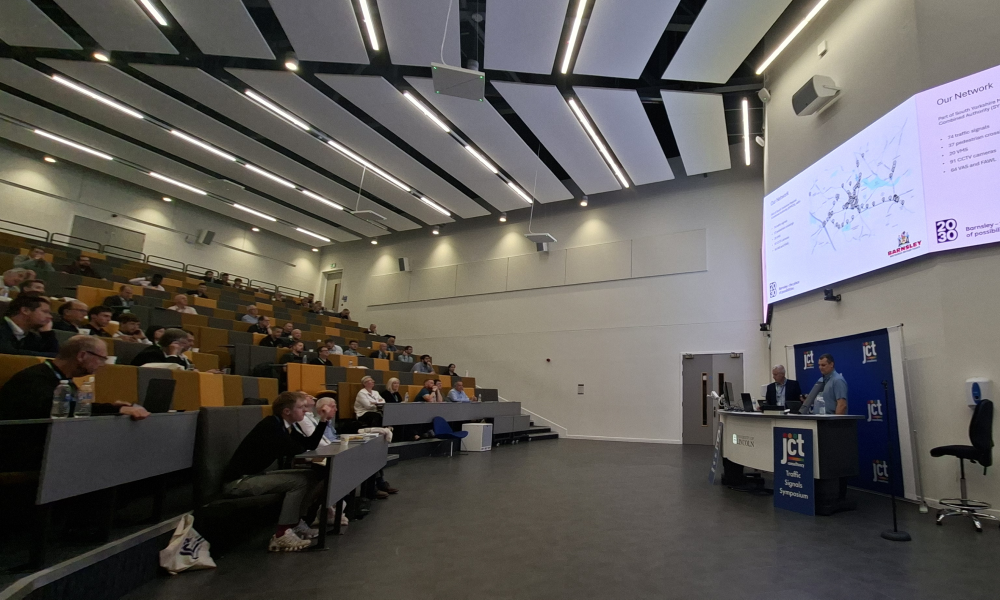
Artificial intelligence featured in the presentation from Barnsley on AI enhanced traffic management using AwareAI provided a practical demonstration of how machine learning could support real time decision making in a local authority setting. Our recent ITS Now coverage had examined the tension between AI’s promise and the realities of deployment, particularly the need for robust data governance and clear operational boundaries. The Barnsley paper showed how those ideas translated into day-to-day practice. Delegates appreciated the honesty with which the council described both the successes and the lessons learned. The sector benefits most when innovation is presented with clarity rather than hype, and this presentation embodied that principle.
Floating vehicle data and fluid-dynamics appeared together in one of the more intriguing papers. National Highways and Compass IoT demonstrated how decades old mathematical models of fluid flow could be combined with modern connected vehicle data to reveal the true pinch points in complex signal-controlled networks. This sat neatly alongside our recent exploration of network level performance analysis and the growing role of digital twins. The idea of treating traffic like water has been discussed for years, yet the ability to apply it with real-time data gave it fresh relevance. Delegates saw how changes in speed and journey time could highlight where engineers should focus their attention first. It offered precisely the kind of practical insight that helps bridge the gap between theory and operational reality. The work felt timely, particularly as the industry continues searching for tools that support more predictive approaches to congestion management.
Detector standards returned to the spotlight as well. The update on TOPAS standards for detectors reflected a wider conversation about the reliability and consistency of the data that underpins modern traffic management. Our recent articles had emphasised the importance of robust sensing in an era where algorithms and optimisation tools depend on accurate inputs. The Symposium provided a timely opportunity to hear how the standards were evolving and how they might support the next generation of detection technologies. It is easy to overlook the foundational role of detectors when discussions lean toward AI and digital twins, yet the quality of the data remains the bedrock of everything else. The paper reinforced that message with clarity.
Innovation from local authorities appeared again through Reading’s contribution on how innovation needs to start from the ground up. This echoed the themes we had explored around organisational culture, capability building and the importance of empowering practitioners to experiment. The best ideas often emerge from those who work closest to the network, and it was encouraging to see a paper that recognised this. The sector has long debated how to foster innovation within constrained budgets and competing priorities. Presentations like this helped keep that conversation grounded in practical experience rather than abstract aspiration.
Operational performance and asset management featured strongly across the programme. The Journey Delay Monitoring Tool from Derbyshire and AECOM, along with the work on connected roadworks and real time delay minimisation, aligned closely with our recent coverage of performance-based approaches to network management. The industry has been moving toward a model where disruption is not simply monitored but actively managed through better connectivity and more responsive tools. These papers offered a glimpse into how that shift was unfolding across different authorities and suppliers. Delegates valued the practical nature of the work, particularly at a time when many councils are grappling with ageing infrastructure and limited resources.
The broader context of the Symposium remained as important as the technical content. The event has always been more than a collection of papers. It has been a gathering of a community that values knowledge sharing, practical experience and good practice. The relocation to Lincoln reinforced that sense of continuity. The decision to pause the exhibition this year in order to refocus on the learned programme reflected a commitment to technical depth and sector development. The presence of keynote speakers from the Department for Transport and Lincolnshire County Council, along with contributions from National Highways, Transport for London, TRL and many others, highlighted the breadth of engagement across the sector.
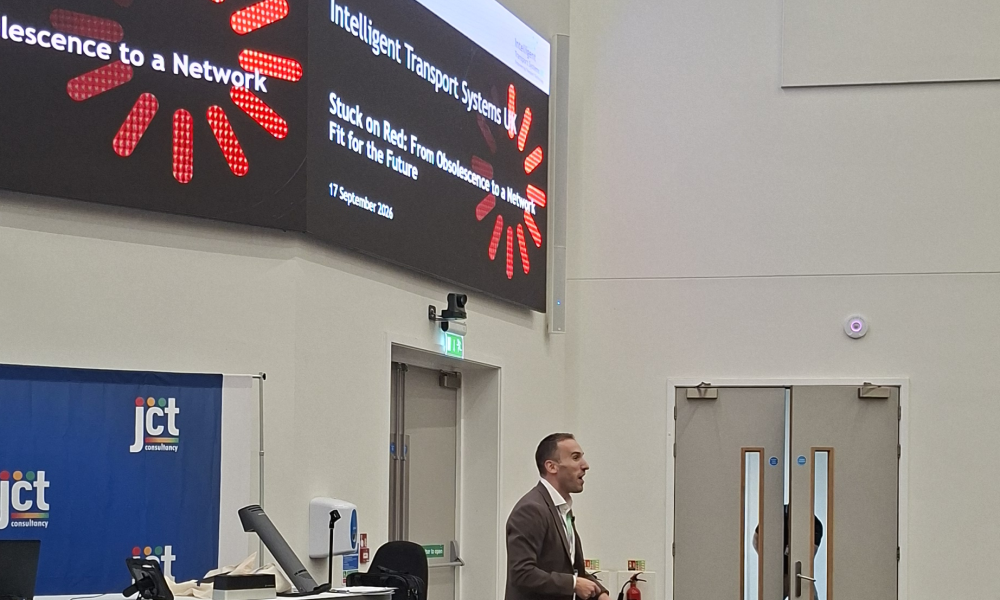
The opportunity to catch up with friends, clients and colleagues remained one of the enduring pleasures of the Symposium. Conversations in the corridors often proved as valuable as the formal sessions. Ideas were exchanged, collaborations were sparked and long-standing relationships were renewed. The social events provided a relaxed setting to continue discussions that began in the lecture theatre. The sense of community remained one of the Symposium’s greatest strengths. It served as a reminder that the sector thrives not only on technical expertise but also on the relationships that support shared learning and collective progress.
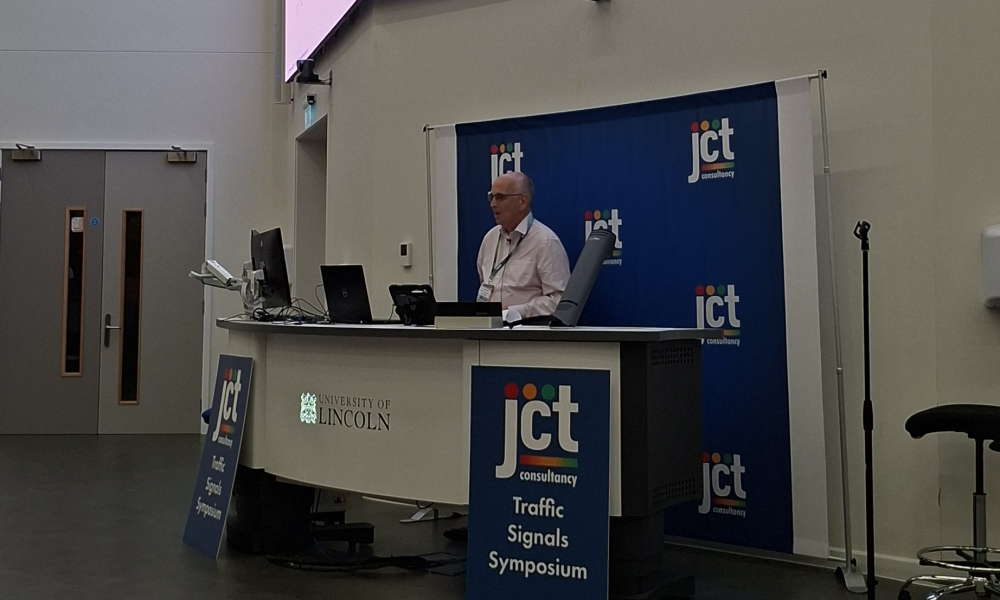
Serving as a session chair brought a chance to help shape the conversation. It was a role that carried both responsibility and privilege. Guiding the discussion, drawing out insights and ensuring that speakers had the space to share their work formed part of what made the Symposium such a valuable event. The quality of the technical presentations was consistently high, and the programme delivered a rich mix of innovation, practical experience and forward-looking thinking. The alignment with recent ITS Now themes provided a useful insight to how technologies and applications are progressing.
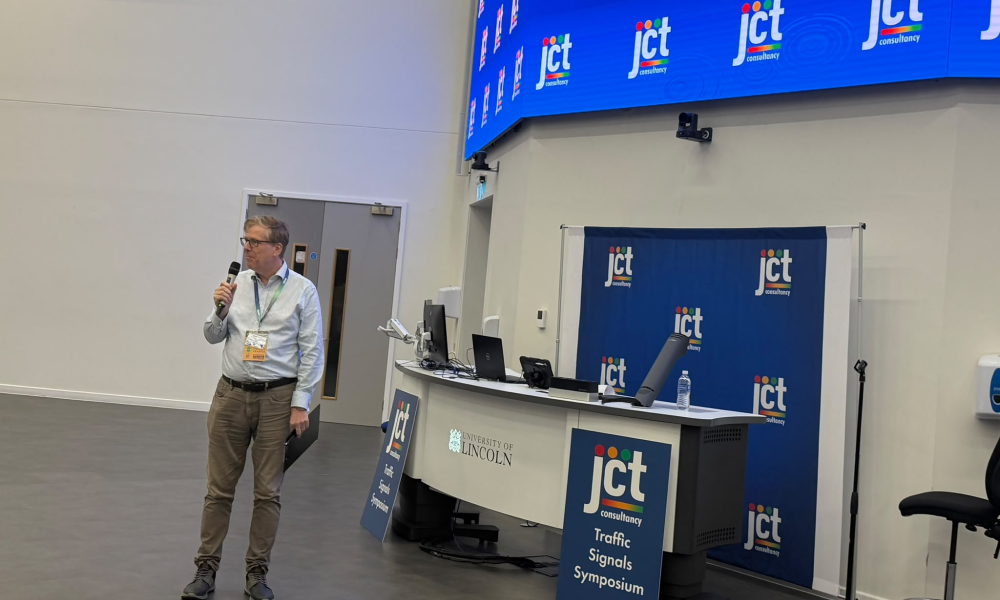
The Symposium once again proved itself a focal point for the traffic signal community. It remained a place where ideas were tested, knowledge was shared and the future of traffic management was shaped through collective effort. The papers this year reflected a sector evolving with confidence, embracing new technologies while remaining grounded in practical realities. The conversations throughout the event continued that evolution. Capturing those highlights, insights and the sense of community has been a pleasure, and the Symposium’s role in the calendar remains as important as ever.
Click the buttons below to see more articles:
See all ArticlesIndustry InsightEventsITS Thought LeadershipITS Educational