150x150.png)
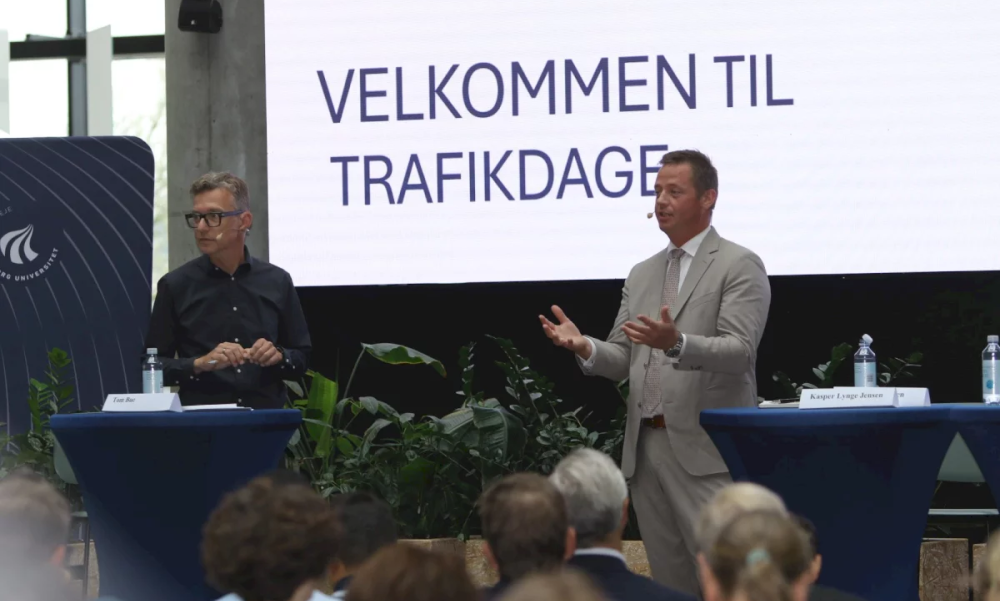
Traffic management in Europe is entering a period where long-standing practices are being tested against new expectations, and the familiar rhythms of municipal operations no longer match the pace of change unfolding around them. Trafikdage (Traffic Days) 2026, held at Aalborg University, is a clear reflection of this shift. It is not a trade show or a product showcase. It is a research-driven gathering that brings together around three hundred professionals, academics, practitioners, policymakers and members of the press for two days of presentations, debate and shared learning. The event has been running since 1994 and has become a fixture in the Danish transport calendar, shaping national discussion and lifting the profile of transport research across the country. Its significance lies not in headline announcements but in the steady accumulation of insight that reveals where the sector is heading.
The character of Trafikdage is rooted in its academic foundation. Aalborg University hosts the conference through its transport research group, and the programme is built around peer reviewed papers, analytical studies and practical experience from real projects. This gives the event a particular tone. It is reflective rather than promotional, and it encourages participants to examine the underlying structures of transport systems rather than the surface level technologies that often dominate commercial exhibitions. The proceedings published each year form a valuable archive of European transport thinking, and the 2026 edition continues this tradition by focusing on the pressures now reshaping municipal traffic management.
European cities have spent the past decade layering new technologies on top of legacy systems. Sensors have multiplied across junctions, corridors and pedestrian zones. Cloud platforms have been introduced to supplement older control rooms. Data has become abundant, yet the ability to turn that data into meaningful operational intelligence has not kept pace. Traffic managers often find themselves surrounded by screens, dashboards and feeds, yet still reliant on instinct and experience rather than predictive insight. The result is a paradox. Cities are data rich but insight poor, and the gap between the two is widening.
This is where the inflection point becomes visible. Municipalities can no longer justify incremental upgrades or isolated pilots. The demands placed on traffic systems have changed. Safety expectations are rising, driven by Vision Zero commitments and public pressure to reduce deaths and serious injuries. Climate targets require smoother flow, reduced idling and more reliable multimodal networks. Public transport authorities want priority at junctions that actually works. Freight operators expect predictable corridors. Citizens want streets that feel safer and more humane. These pressures are converging, and they are exposing the limitations of systems designed for a different era.
Trafikdage, with its blend of research and practice, highlights this shift. The papers and discussions emerging from the conference show a sector grappling with the need to modernise its operational foundations. Traffic management centres are being asked to evolve from monitoring rooms into real time service platforms. Operators are expected to interpret live data, anticipate problems and intervene before congestion or risk escalates. This requires a different mindset, a different skill set and a different technological base. The conference’s emphasis on evidence, analysis and practical experience makes it clear that the transition will not be achieved through technology alone. It will depend on organisational reform and a willingness to rethink long-established processes.
The technological base is where many cities are struggling. Legacy systems often operate in silos, with limited ability to share data or coordinate responses. Cloud native platforms promise integration, yet procurement frameworks still assume hardware first contracts that stretch across many years. Municipalities want flexibility, yet procurement rules often lock them into rigid arrangements. This tension is becoming more visible as authorities recognise that the next generation of traffic management will rely on continuous improvement rather than periodic upgrades. The sector is moving towards software defined operations, but the structures around it have not yet caught up.
Safety infrastructure is undergoing its own transformation. Traditional approaches relied on historical collision data, which is valuable but slow. Near miss analytics, conflict point telemetry and AI based risk scoring are now offering a more dynamic picture of urban safety. These tools allow cities to identify risk before it becomes harm, enabling targeted interventions that are more effective and more efficient. The challenge is not the technology. It is the ability of municipal organisations to absorb it, trust it and act on it. Trafikdage’s focus on research makes it an ideal forum for exploring these questions, and the discussions around safety analytics show how quickly the field is evolving.
Europe is moving towards mandatory digitalisation of traffic orders and real time publication of restrictions. This may sound administrative, yet it has profound implications for municipal operations. Machine readable regulation will reshape how traffic systems interpret and respond to changes on the network. It will also influence how vehicles, particularly automated ones, understand the rules of the road. Cities will need systems capable of ingesting, validating and acting on regulatory data in real time. This is not a future ambition. It is an emerging requirement.
The human dimension is equally important. Traffic management has always relied on experienced operators who understand the quirks of their network. That experience remains invaluable, yet the demands placed on operators are changing. They are being asked to work with predictive tools, manage multimodal flows and coordinate with emergency services, public transport and freight operators. Training, organisational culture and leadership will determine whether cities can make this transition successfully. Trafikdage, by bringing researchers and practitioners together, underscores the importance of people in shaping the future of traffic management.
The inflection point is not defined by a single breakthrough. It is defined by the accumulation of pressures that make the status quo untenable. Cities cannot continue to rely on fragmented systems, reactive operations and slow regulatory processes. They need integrated platforms, proactive management and digital regulation that supports real time decision making. The technology exists. The challenge is organisational readiness. Municipalities must decide whether they will lead this transition or be overtaken by it.
Trafikdage 2026 offers a snapshot of this moment. It is a reminder that the future of traffic management will not be shaped by dramatic announcements but by steady, determined reform inside municipal organisations. The sector is moving towards a model where data is not simply collected but operationalised. Safety is not simply measured but predicted. Regulation is not simply published but machine readable. Operations are not simply reactive but anticipatory. It is the moment when cities recognise that the tools they need already exist, and the question becomes whether they have the capacity and confidence to use them.
Europe’s municipal traffic systems are standing at a crossroads. One path leads to continued fragmentation, slow progress and rising frustration. The other leads to integrated operations, predictive safety and a more resilient urban network. Trafikdage does not choose the path for them. It simply illuminates the choice. The next few years will determine whether cities seize the opportunity or allow it to slip away.
Click the buttons below to see more articles:
See all ArticlesIndustry InsightEventsITS Thought LeadershipITS Educational