150x150.png)
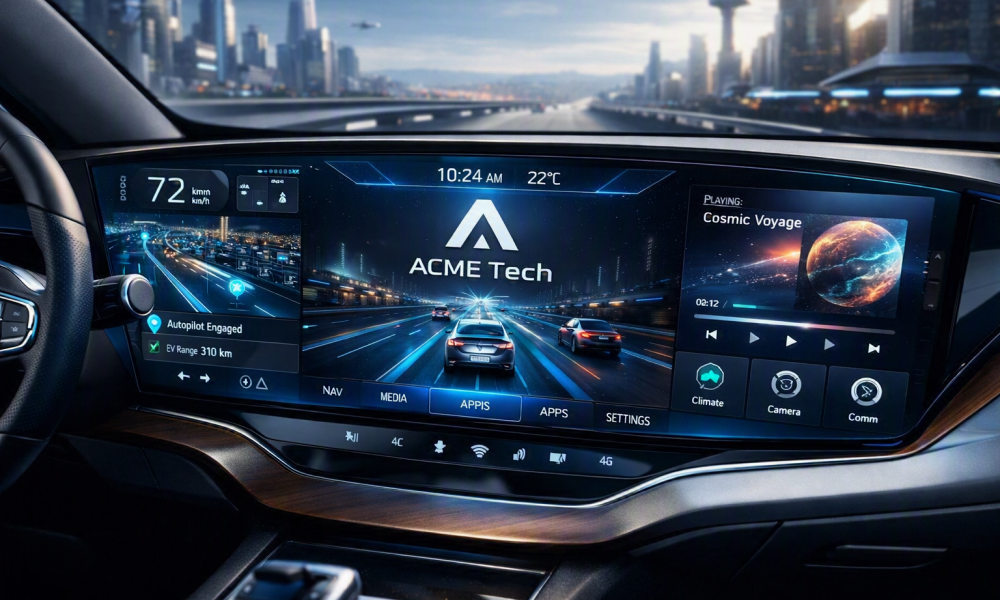
The struggle to control the vehicle operating system has become one of the defining contests of modern mobility. It is no longer a quiet technical debate buried deep in engineering departments. It is a strategic battle involving established technology giants, ambitious vehicle manufacturers and a growing field of new entrants who recognise that the digital layer inside the vehicle will shape the next decade of connected transport. The operating system has become the gateway to data, services, safety, autonomy and customer relationships. Whoever wins this battle will not simply influence how vehicles behave. They will determine how mobility evolves.
The shift began when vehicles stopped being purely mechanical machines and started behaving more like rolling computers. Software now governs everything from navigation and infotainment to battery management, driver assistance and over-the-air updates. The operating system sits at the centre of this transformation. It orchestrates the flow of information between sensors, cloud platforms, vehicle systems and user interfaces. It ensures that digital features work reliably and that updates can be delivered seamlessly. It also provides the foundation for higher levels of automation, where the vehicle must interpret vast quantities of data and respond with precision. As this digital layer has grown in importance, so has the desire to control it.
Technology companies were among the first to recognise the scale of the opportunity. Their experience in building consumer operating systems gave them a natural advantage. Google moved early with Android Automotive, offering a full in-vehicle system rather than a mirrored phone interface. Its strength lies in its familiar ecosystem, where navigation, voice assistance and entertainment are already deeply embedded in daily life. Apple has taken a different route, expanding CarPlay into a system capable of shaping the entire vehicle interface. Its focus on design and seamless integration appeals to drivers who value consistency across their devices. Both companies understand that controlling the operating system means controlling the user experience, and that this creates powerful commercial possibilities. Their platforms can support subscriptions, personalised services and data-driven features that generate recurring revenue.
Vehicle manufacturers have responded with determination. They know that surrendering the operating system risks losing ownership of the customer relationship. They also know that the operating system influences brand identity. The way a vehicle behaves, responds and communicates is increasingly defined by software rather than hardware. Manufacturers such as Mercedes-Benz, BMW and Volkswagen have invested heavily in their own platforms, building systems that integrate deeply with vehicle functions and support advanced driver assistance. Some have collaborated to accelerate progress. The Eclipse S-Core alliance, involving several major European brands, reflects a recognition that shared foundations can reduce complexity and allow each company to focus on differentiation at the user interface level. This collaboration marks a significant shift in an industry that once guarded its technology with intense secrecy. It also highlights the pressure created by fast-moving competitors in China, where integrated digital platforms are becoming standard.
New players have entered the field with bold ideas. Some focus on autonomy, building operating systems that can support fleets of self-driving vehicles. Others concentrate on electric mobility, where battery management and charging integration require sophisticated software. A few specialise in retrofitting existing vehicles with digital capabilities, demonstrating that the operating system can extend the life of older fleets and prepare them for connected services. These newcomers bring fresh thinking and challenge established assumptions. They also contribute to a more diverse ecosystem, where innovation can emerge from unexpected directions.
The battle for the operating system is not only about technology. It is also about control of data. Connected vehicles generate vast quantities of information, from driving behaviour and location patterns to component performance and energy consumption. This data can support predictive maintenance, improve safety, optimise traffic flow and enhance user experience. It can also create commercial opportunities through personalised services and targeted content. Whoever controls the operating system controls access to this data. This raises important questions about privacy, ownership and governance. It also influences how companies position themselves in the mobility landscape. Some emphasise transparency and user consent. Others focus on the value of aggregated insights. All recognise that data is central to the future of mobility.
The operating system also shapes the path to autonomy. Autonomous vehicles require a unified digital platform capable of integrating sensors, artificial intelligence, cloud connectivity and real-time decision-making. Fragmented systems create risk. A coherent operating system reduces complexity and supports consistent behaviour across different driving scenarios. It also allows updates to be delivered quickly as algorithms improve. Companies that control the operating system can accelerate their progress towards higher levels of automation. They can test features more efficiently, refine models more rapidly and deploy improvements more confidently. This advantage is significant in a field where speed of development can determine leadership.
Competition has intensified as companies recognise the strategic importance of the operating system. Some pursue vertical integration, building everything in-house to maintain full control. Others adopt open-source foundations to encourage collaboration and reduce development time. A few rely on partnerships with technology companies to gain access to mature ecosystems. Each approach has strengths and weaknesses. Vertical integration offers control but demands significant investment. Open-source foundations provide flexibility but require careful coordination. Partnerships deliver speed but risk dependency. The choices made today will influence how companies compete in the future.
The battle also affects the wider mobility ecosystem. Cities are exploring ways to integrate vehicles into digital infrastructure, where operating systems can communicate with traffic management platforms, charging networks and multimodal services. Fleet operators are seeking systems that support remote diagnostics, predictive maintenance and efficient scheduling. Energy providers are developing solutions that link vehicles to smart grids. All of these developments rely on operating systems that can support secure, reliable and interoperable communication. The operating system becomes the bridge between the vehicle and the wider mobility environment.
The next decade will be shaped by the outcome of this contest. The operating system will determine how vehicles evolve, how services are delivered and how users interact with mobility. It will influence safety, sustainability and efficiency. It will define the relationship between manufacturers, technology companies and new entrants. It will also shape the expectations of drivers, who increasingly view their vehicles as digital companions rather than mechanical tools.
The battle for the vehicle operating system is far from settled. It is a dynamic contest where strategies shift, alliances form and new ideas emerge. It reflects the broader transformation of mobility, where software has become the defining force. The companies that succeed will be those that understand the importance of integration, innovation and user experience. They will recognise that the operating system is not merely a technical component. It is the foundation of connected mobility and the key to shaping its future.
Click the buttons below to see more articles:
See all ArticlesIndustry InsightEventsITS Thought LeadershipITS Educational