150x150.png)
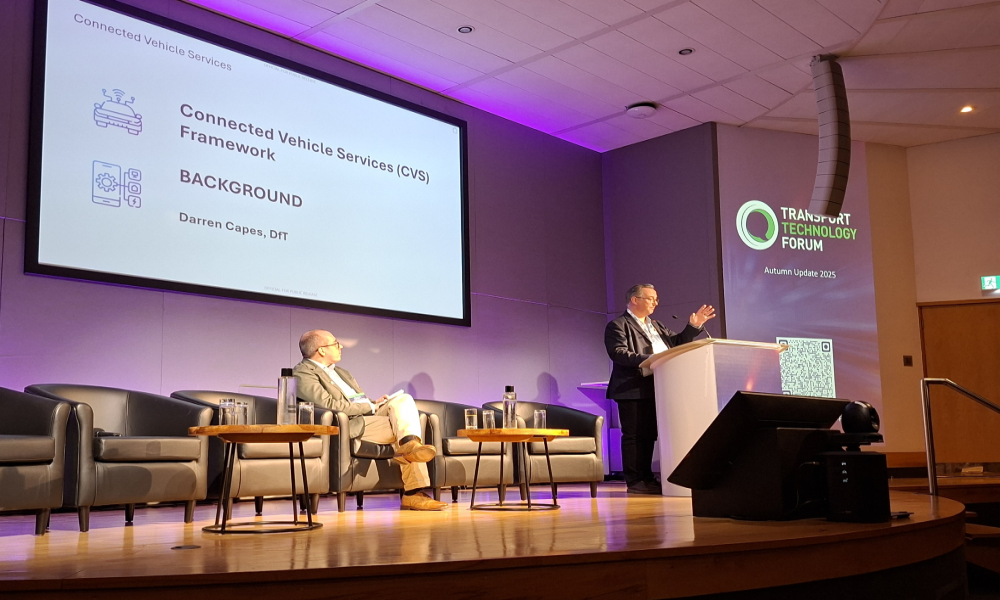
Insights from the TTF Autumn Update, Birmingham, 6th November 2025 By Darren Capes (Head of Road Infrastructure Technology, DfT) and Jonathan Mann (Technical Director, WSP)
At the recent TTF Autumn Update in Birmingham, Darren Capes and Jonathan Mann delivered a compelling presentation on the future of connected vehicle services in the UK. Their discussion centred on the development of a national framework for connected services, aiming to unify the sector's approach and deliver tangible benefits for road users, operators and the wider community.
The concept of connected vehicle services is often conflated with automated vehicles, but as Darren Capes explained, they are distinct. While automated vehicles represent a clear technological horizon, connected services have lacked a unified vision. The new framework seeks to provide that focal point, a national aspiration for what connected services should deliver.
Connected vehicles are now ubiquitous. Any vehicle built after 2018, equipped with features like eCall and SIM cards, is considered connected. Even older vehicles, when paired with a mobile phone, contribute to the connected ecosystem. The key, however, is not just connectivity but the services it enables. These services range from green light advice and roadwork warnings to emergency notifications and asset management tools for operators.
Currently, connected services are fragmented, with data often siloed and vendors offering proprietary solutions. The framework aims to move towards an open, consistent model where services are interoperable and accessible, regardless of the delivery method. For example, speed advice should be presented uniformly, whether via a dashboard or a mobile app, much like roadside signs are standardised across the country.
The ambition is to define a comprehensive list of services, those deliverable now, in five or ten years and those requiring significant infrastructure or legislative changes. This list will guide conversations with regulators, automotive manufacturers and network operators, ensuring that data is harnessed to deliver better, safer and more efficient journeys.
The framework identifies three key streams:
1. Infrastructure to Vehicle: Leveraging data from infrastructure systems (e.g., UTC, management systems) to provide real-time services to users.
2. Vehicle to Infrastructure: Unlocking vehicle-generated data (e.g., speed, location, braking) for public benefit and operational insights.
3. Two-way Services: Enabling transactional services such as tolling and parking, linking vehicles and infrastructure in real time.
While the first two streams are the immediate focus, all three will be incorporated into the framework, reflecting the evolving nature of connectivity.
Connected services offer a spectrum of benefits:
Strategic: Supporting national transport and safety strategies through better data and service delivery.
Tactical: Enhancing network management, maintenance and emergency response.
Operational: Improving day-to-day experiences for drivers, pedestrians and operators, from EV charging to hazard warnings.
Existing services like bus priority, eCall and asset management are examples of connected services already in use, albeit in a fragmented landscape. The framework seeks to unify these under a common language and set of standards.
Jonathan Mann highlighted the importance of aligning the UK's framework with international standards, particularly those developed in Europe. Vehicles and services must operate seamlessly across borders, ensuring continuity and safety for users travelling between nations.
The development process is structured and consultative. An initial comprehensive Excel workbook is being refined for stakeholder engagement, capturing service categories, use cases and mapping them to existing standards and commercial offerings. This mapping exercise identifies gaps and ensures broad coverage, with input from experts and commercial providers.
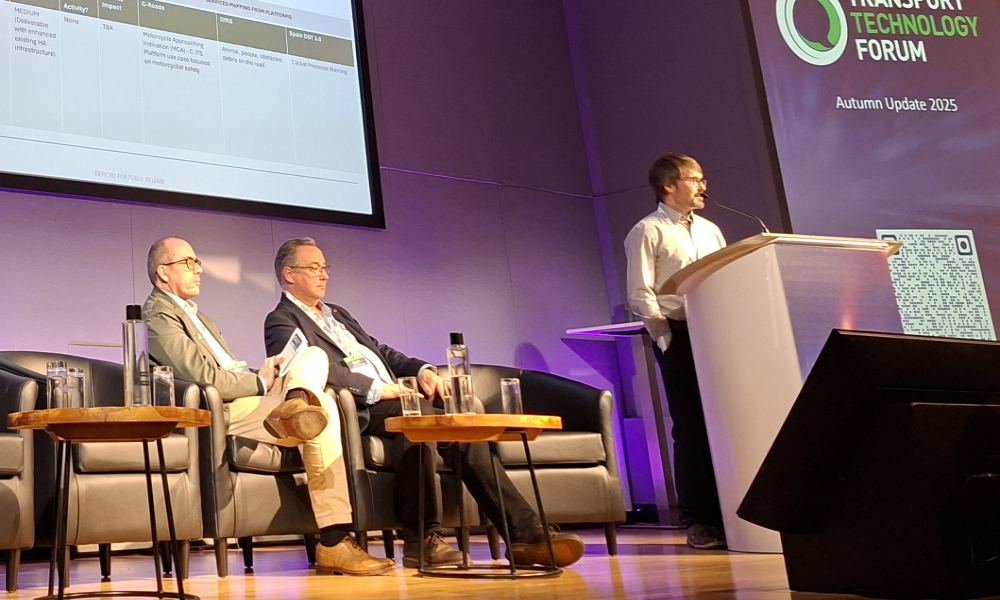
The ultimate goal is to transition from a detailed spreadsheet to an interactive, web-based environment accessible to authorities, developers and operators. This tool will provide definitive guidance on implementing services, highlight areas of flexibility and support ongoing advice as technology and funding evolve.
Stakeholder workshops are planned for local authorities and suppliers, followed by a formal call for evidence early in the new year. This process will incorporate feedback from a wide range of users, including drivers, operators and interest groups, ensuring the framework reflects real-world needs and aspirations.
A key theme in the discussion was the role of the user. While the initial focus is on sector needs, the framework is ultimately for all road users: drivers, pedestrians, cyclists and operators. The process will actively seek input from motorists and other stakeholders to ensure the services delivered are genuinely beneficial.
The connected services framework underpins major government priorities, including the integrated national transport strategy and the new road safety strategy. By leveraging data to deliver better information and advice, the framework supports safer, greener and more efficient transport for all.
The TTF Autumn Update showcase of Connected Vehicle Services showed a sector-wide commitment to shaping the future of connected vehicle services. Through a collaborative, consultative approach, the framework will define the services, standards and tools needed to realise the benefits of connectivity for all users. As Darren Capes and Jonathan Mann emphasised, this work is foundational, setting the stage for a smarter, safer and more integrated transport network in the UK.
Click the buttons below to see more articles:
See all ArticlesIndustry InsightEventsITS Thought LeadershipITS Educational