150x150.png)
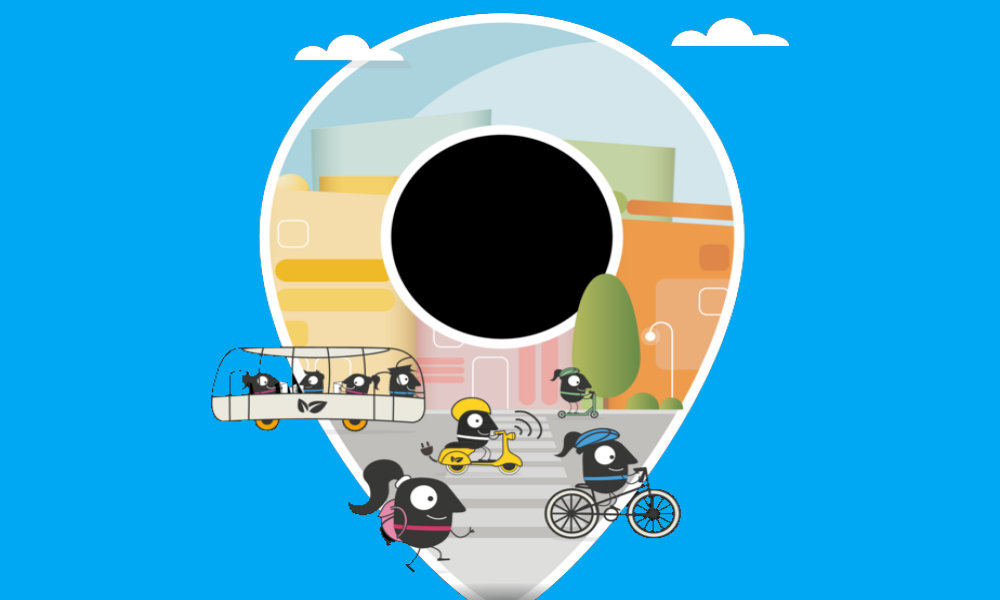
European Mobility Week 2026 unfolded across Europe with a sense of purpose that felt both familiar and newly energised. Between 16 and 22 September, more than 2,500 towns and cities once again reshaped their streets, invited citizens to reconsider daily travel habits and demonstrated how urban movement can evolve when communities commit to sustainable choices. The annual campaign has become a fixture in Europe’s civic calendar, yet this year’s edition carried a distinctive clarity. Its theme, Mobility for Everyone, placed intergenerational fairness at the centre of the conversation, encouraging cities to reflect on how transport systems serve people throughout their lives.
The idea of mobility as a shared right rather than a privilege has been gaining momentum for years. The 2026 campaign built on that shift by prompting cities to examine accessibility, affordability and long-term impact with renewed seriousness. Organisers emphasised that sustainable transport must work for children walking to school, young adults navigating early careers, families balancing daily routines and older citizens who depend on reliable networks to maintain independence. The theme was not treated as a slogan. It became a lens through which communities assessed the consequences of their mobility decisions and the legacy they intend to leave for future generations.
Across Europe, the week’s activities revealed how deeply this message resonated. Cities staged Car-Free Days, bike tours, walking festivals, educational workshops and temporary street transformations. These interventions were not designed as spectacles. They served as demonstrations of what streets can feel like when people rather than vehicles take priority. Strasbourg, host of the official launch, set the tone by creating spaces that encouraged interaction, movement and curiosity. The city’s leadership highlighted the need for transport systems that connect residents to jobs, education and community life, while reducing environmental impact and improving public health.
The week also provided a platform for experimentation. Many municipalities used the campaign to pilot measures that may become permanent, such as bicycle ramps on staircases, expanded 30 km/h zones, redesigned junctions or new micromobility corridors. These trials often begin as temporary exercises but frequently evolve into lasting features of the urban landscape. The appetite for such changes has grown as cities recognise that sustainable mobility is not only about reducing emissions. It is also about creating places where people feel safe, welcome and connected.
One of the most striking aspects of European Mobility Week remains the diversity of participation. Large capitals, small towns, rural communities and coastal municipalities all interpreted the theme in ways that reflected their own identity. In Spain, Hospitalet de Llobregat hosted a city-wide sustainable mobility fair, inviting families to explore games, workshops and demonstrations that highlighted safer and healthier travel choices. Vitoria-Gasteiz focused on teaching bicycle skills to younger generations, while Bilbao organised talks on road safety, active travel and professional opportunities in the mobility sector. Lisbon emphasised cycling, offering lessons, tours and mechanics workshops that encouraged residents to embrace active travel.
These examples illustrated how the campaign has matured into a continent-wide conversation about the future of urban life. Mobility Week is no longer simply a communications exercise. It has become a catalyst for behavioural change, inspiring citizens to rethink daily habits and encouraging cities to adopt more ambitious policies. The emphasis on intergenerational fairness added a new dimension to this dialogue. It prompted communities to consider how mobility choices affect not only current users but also those who will inherit the systems being shaped today.
Multi-modal integration sat at the heart of this year’s discussions. Europe’s transport landscape has become increasingly complex, with buses, trams, metros, shared bikes, e-scooters, autonomous shuttles and on-demand services all competing for space and attention. The challenge is not simply to expand these options, but to weave them together into coherent networks that feel intuitive and reliable. Mobility Week offered an opportunity for cities to showcase how they are approaching this task. Some experimented with integrated ticketing systems, while others redesigned interchanges to make transfers smoother. Many explored digital tools that help users plan journeys across multiple modes with minimal friction.
The campaign also highlighted the importance of public engagement. Sustainable mobility cannot be imposed from above. It requires trust, collaboration and a willingness to experiment. Cities that succeed in transforming their transport systems tend to be those that involve citizens early and often. Workshops, street trials, community events and school programmes all played a role in building confidence and enthusiasm. Mobility Week provided a structured moment for these interactions, creating a sense of shared purpose that often extends beyond the seven-day campaign.
Europe’s mobility transition continues to face challenges. Cities must balance competing demands, from freight logistics and commercial activity to accessibility and environmental protection. They must navigate political pressures, budget constraints and public expectations. Yet the momentum behind sustainable mobility remains strong. The 2026 edition of European Mobility Week reflected a continent increasingly committed to rethinking how people move through urban spaces. It demonstrated that mobility is not only a technical issue. It is a social, cultural and economic one, shaping how communities’ function and how individuals experience daily life.
The week has offered a valuable lens through which to observe Europe’s evolving mobility ecosystem. As cities experimented with new technologies, redesigned public spaces and engaged citizens in fresh ways, the campaign provided insight into the strategies shaping the future of transport. It also reinforced the importance of collaboration across sectors. Policymakers, operators, technology providers, researchers and community groups all contributed to mobility systems that are resilient, inclusive and sustainable.
European Mobility Week 2026 arrived at a moment when Europe is increasingly aware of the need to accelerate its transition. The climate crisis, demographic shifts and technological innovation all demand new approaches. The campaign’s focus on intergenerational fairness served as a timely reminder that mobility decisions have long-term consequences. It encouraged cities to think beyond immediate pressures and consider how their choices will shape the lives of future citizens.
As the week concluded, Europe witnessed thousands of small transformations. Streets quietened. Squares filled with people. Children cycled with confidence. Older residents explored neighbourhoods with renewed ease. These moments may have seemed modest, yet collectively they revealed what cities can become when mobility is designed with care, imagination and fairness.
European Mobility Week continues to demonstrate Europe’s commitment to sustainable urban transport. It shows that mobility is not only about movement. It is about opportunity, connection and community. The 2026 edition invited everyone to participate in shaping that future, ensuring that Europe’s transport systems remain responsive to the needs of all generations.
Click the buttons below to see more articles:
See all ArticlesIndustry InsightEventsITS Thought LeadershipITS Educational