150x150.png)
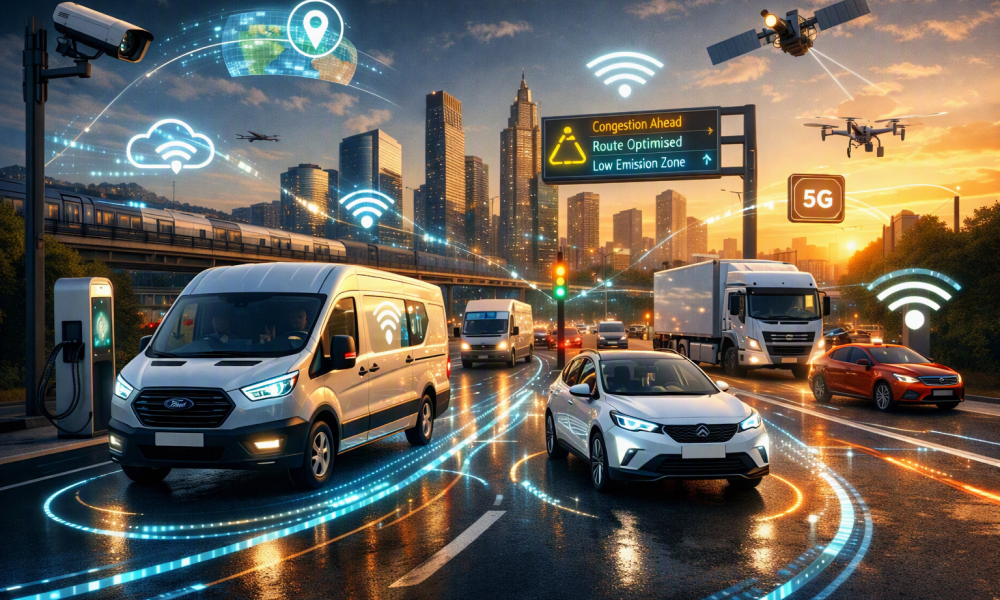
Fleet and Mobility Live 2026 took place at Birmingham’s NEC with the steady confidence of an event that has become central to the UK’s fleet and mobility calendar. Delegates arrived to explore how electrification, digitalisation and operational reform are reshaping the sector, and the exhibition delivered a clear picture of how fleet strategy is evolving within a wider intelligent transport systems environment. The halls were busy, the discussions were grounded in practical experience, and the technology on display reflected a sector that is moving towards more connected and data-driven mobility.
The scale of the exhibition once again demonstrated how fleet operations now sit at the intersection of transport, logistics, energy and digital services. More than two thousand professionals spent time with vehicle manufacturers, telematics providers, software developers and infrastructure specialists. The variety of exhibitors highlighted the complexity of modern fleet management, where decisions about vehicles, charging, routing and compliance must align with the realities of congested roads, evolving regulations and increasingly digital transport networks.
Sustainability remained a dominant theme throughout the event. Organisations continue to push towards lower-emission operations, yet the transition to electric vehicles still presents challenges. Charging infrastructure, grid capacity and operational suitability were recurring topics in conversations with fleet managers. Exhibitors responded with practical solutions, from depot charging systems designed for constrained sites to energy management platforms capable of balancing charging schedules with live operational demands. These developments show how electrification is progressing, but they also underline the need for careful planning and realistic expectations.
Vehicle manufacturers used the event to showcase new models that combine electrification with advanced driver-assistance features. Ford’s Transit City and Puma Gen-E Bluecruise Edition drew significant interest, particularly from organisations exploring how Level 2 capability can support safer and more efficient operations. Delegates were keen to understand how connected vehicles interact with ITS infrastructure, and how reliable digital mapping, traffic data and communications networks can enhance driver support systems. These discussions reinforced the idea that connected fleets depend on the quality and consistency of the digital environment around them.
Digitalisation was one of the strongest threads running through the exhibition. Fleet managers are increasingly adopting unified operating systems to manage compliance, procurement, maintenance and driver activity. Platforms such as Caura’s DriveOS demonstrated how administrative processes can be consolidated into a single interface, reducing complexity and improving visibility. Delegates were particularly interested in how these systems can support compliance with clean air policies, kerbside restrictions and freight management rules. The ability to track vehicles, monitor emissions and respond to real-time alerts is becoming essential for organisations operating across multiple regions.
Telematics providers reinforced the importance of data in modern fleet strategy. Predictive maintenance, route optimisation, driver behaviour analytics and incident reporting are now standard features. Delegates discussed how telematics data can support safer roads by reducing harsh braking, improving speed compliance and enabling more efficient routing. These benefits extend beyond individual organisations and influence congestion, emissions and road safety across the wider transport network. Fleet and Mobility Live provided a platform for exploring how telematics data can be shared with transport authorities to support incident management and strategic planning.
Energy management also featured prominently. Mixed fleets remain common, and organisations need tools that simplify the logistics of charging and refuelling. DKV Mobility’s Card +Charge system attracted interest because it offers a unified approach to energy payments. Delegates appreciated the practicality of managing charging and fuel through a single platform, particularly for fleets operating across borders or multiple regions. This reflects a broader trend towards simplifying energy logistics and ensuring that drivers have reliable access to the infrastructure they need.
The human dimension of fleet management was woven through the seminar programme. Driver wellbeing, training and engagement are becoming central to fleet strategy. Organisations recognise that technology alone cannot deliver safer roads or more efficient operations. Drivers must understand how to use new systems, interpret alerts and adapt to changing vehicle capabilities. Several sessions focused on building a culture that supports continuous learning and encourages responsible behaviour. Delegates discussed how digital tools can help identify training needs, monitor fatigue and support mental wellbeing. These conversations highlighted the importance of people in a sector that is becoming increasingly automated and data-driven.
Compliance and regulation formed another important thread. Fleet managers must navigate an increasingly complex landscape of environmental rules, safety standards and operational requirements. The presence of National Highways and other transport authorities provided valuable insight into how policy is evolving. Discussions covered topics such as incident prevention, freight safety, clean air zones and the role of connected vehicles in supporting national road strategies. Delegates were reminded that fleet operations influence the wider transport system, shaping traffic patterns, emissions, road wear and safety outcomes.
Collaboration emerged as a recurring theme. Fleets operate within a network of suppliers, authorities, technology partners and infrastructure providers. Effective mobility strategies require cooperation across these groups. Exhibitors emphasised the value of shared data, integrated platforms and cross-sector partnerships. Delegates responded positively to discussions about interoperability, standardisation and the need for consistent digital frameworks. These themes reflect a sector that is moving towards more connected and coordinated mobility ecosystems.
Fleet and Mobility Live 2026 captured a sector in transition. The event provided clarity on the challenges ahead and showcased the tools and technologies that will help organisations navigate them. Delegates left with a stronger understanding of how electrification, digitalisation and operational reform are reshaping fleet strategy. The exhibition reinforced the idea that fleets are central to the future of mobility, influencing how roads are used, how cities manage movement and how organisations deliver services. Their evolution is inseparable from the evolution of intelligent transport systems.
The conversations in Birmingham will continue to shape fleet strategy long after the exhibition has concluded. Fleet and Mobility Live offered a timely reminder that progress in mobility depends on collaboration, data and a willingness to embrace new approaches. The sector is moving forward, and events like this help ensure that the journey is informed, coordinated and grounded in practical experience.
Click the buttons below to see more articles:
See all ArticlesIndustry InsightEventsITS Thought LeadershipITS Educational