150x150.png)
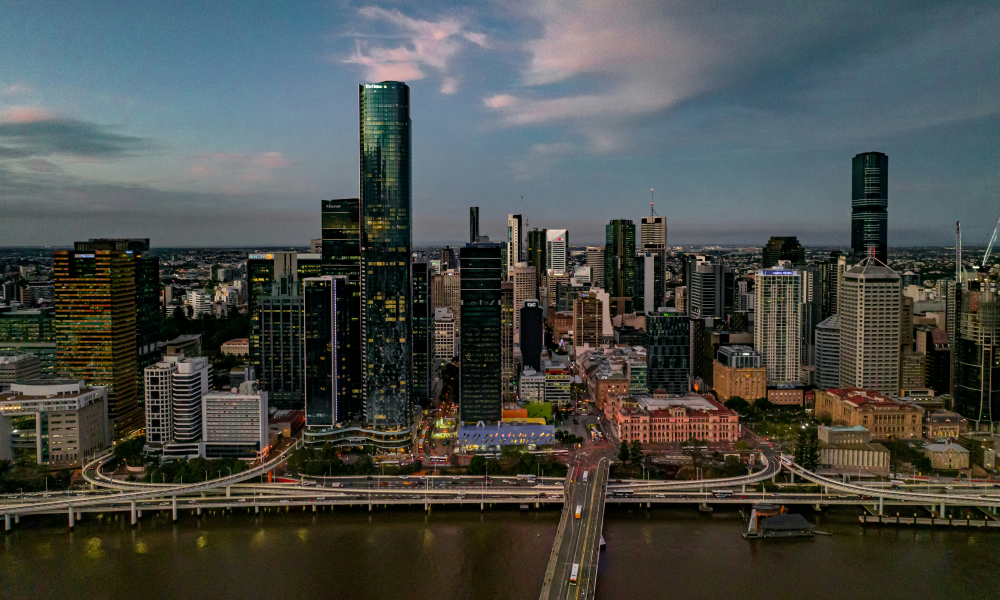
While the world’s major automotive hubs often focus on the "glamour" of shiny new electric vehicles, the mathematical and technical engines that actually move cities were on full display today in Brisbane. The International Conference on Traffic Flow Theory and Transportation Systems (ICTFTTS) 2026 opened its doors to a global cohort of scholars, civil engineers and data scientists, all united by a single, complex challenge: How to move more people through finite urban spaces without triggering systemic collapse?
Set against the backdrop of Brisbane’s own rapidly evolving transport network, the conference highlighted an industry-wide pivot away from traditional, rule-based traffic management toward Agentic AI and Quantum-Ready optimisation.
The most discussed breakthrough of the morning session came from a collaborative research paper titled "TrafficRobot: A Hierarchical AI Agent Framework", published in tandem with the conference.
Traditional Intelligent Transport Systems (ITS) are often "reactive", they change a signal timing after a sensor detects a queue. The Brisbane delegates were introduced to a "closed-loop" AI framework that acts as a proactive agent. By treating every intersection as an "agent" capable of negotiating with its neighbours, the TrafficRobot system demonstrated a 22% reduction in idling time in simulated high-density urban corridors.
"We are moving past the era of 'If-Then' logic in traffic lights", noted one lead researcher, "the systems discussed today in Brisbane are learning the 'rhythm' of the city, anticipating surges before the first car even hits the brake pedal".
A recurring theme throughout the technical sessions was the "Mixed Traffic" problem. As Level 3 autonomous vehicles begin to appear in Australian traffic, they must share the road with human drivers, cyclists and the growing fleet of "last-mile" delivery robots.
Research presented by the University of Queensland delegates explored the Phase Transition of Mixed Flows.
• The "Clog" Effect: Small numbers of autonomous vehicles can actually cause more congestion if their safety buffers are too conservative.
• Cooperative Buffering: The solution presented involves "C-V2X" (Cellular Vehicle-to-Everything), where cars "handshake" to reduce following distances safely, effectively turning a line of cars into a single, synchronised "road train".
Beyond the flow of vehicles, ICTFTTS 2026 placed a heavy emphasis on the infrastructure itself. The session on Transportation Network Modelling showcased how Brisbane is utilising a city-wide Digital Twin to predict structural fatigue on bridges and road surfaces.
By feeding real-time vibration data from sensors into a neural network, authorities can now move from "scheduled maintenance" (fixing things every 5 years) to "predictive maintenance" (fixing things exactly when the data shows they are about to fail). This shift is estimated to save the Queensland government millions in emergency repair costs over the next decade.
Perhaps the most "future-looking" session involved Quantum Simulation for Complex Logistics. While still in the experimental phase, researchers demonstrated how quantum algorithms can solve "The Traveling Salesman Problem" for thousands of delivery points in seconds, a task that would take classical computers hours.
As Brisbane prepares for the increased logistics pressure of the 2032 Olympics, these quantum-ready models are being viewed as the "secret weapon" for managing the city's future freight and spectator movements.
| Technology | Objective | Impact |
|---|---|---|
| Agentic AI (TrafficRobot) | Proactive intersection control | Reduced idling and CO2 emissions. |
| C-V2X Platooning | Synchronised "Road Trains" | Increased lane capacity without widening roads. |
| Digital Twins | Virtual infrastructure replicas | Predictive maintenance and disaster modelling. |
| Mixed-Flow Theory | Human-AV interaction models | Enhanced safety during the Level 3 transition. |
As ICTFTTS 2026 concludes, the sentiment among attendees is that Brisbane is no longer just a host city, but a "living laboratory" for these theories. From the integration of the Brisbane Metro’s high-capacity vehicles to the trials of autonomous shuttles in the CBD, the theories discussed in the lecture halls are already hitting the asphalt.
The "Brisbane Blueprint" emerging from this conference is clear: The future of mobility is not just about faster cars, but about smarter, more communicative and mathematically optimised networks.
Click the buttons below to see more articles:
See all ArticlesIndustry InsightEventsITS Thought LeadershipITS Educational