150x150.png)
The second day of the ITS European Congress in Istanbul opened with a sense of purpose that felt markedly different from the scene just twenty-four hours earlier. If yesterday was about setting the stage, today was about stepping onto it with confidence. Delegates streamed into the Istanbul Congress Centre with a kind of collective momentum, as though the conversations that began on day one had already matured overnight into something more grounded, more urgent and more ready to be acted upon. The atmosphere was unmistakably one of delivery rather than discussion and throughout the day the Congress demonstrated a clear shift from conceptual ambition to operational reality.
Across the venue, the sessions, demonstrations and informal exchanges all carried the same underlying message: the ITS sector is no longer content with pilots and prototypes. It is moving decisively into deployment, integration and measurable impact. Cities spoke candidly about what they had implemented rather than what they hoped to implement. Industry leaders focused on commercial models and long-term viability rather than speculative futures. Policymakers emphasised alignment, interoperability and shared frameworks rather than fragmented national approaches. It was a day defined by maturity, clarity and a willingness to confront the practical challenges of modern mobility head-on.
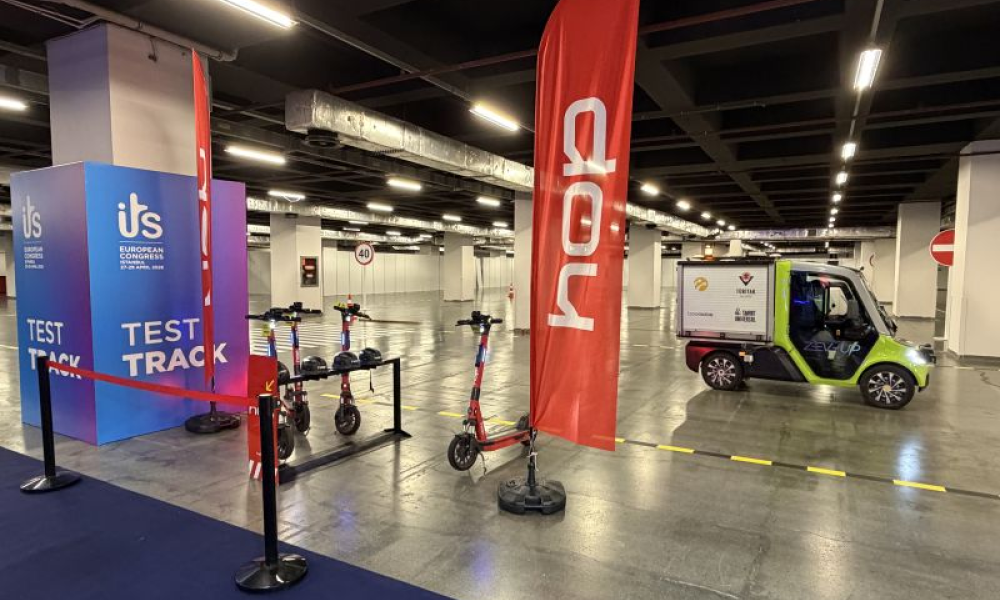
This sense of forward motion was particularly evident in the discussions around multimodal integration, where European cities compared their experiences of building platforms that genuinely bring modes together rather than simply placing them side by side. The conversation has shifted from the novelty of MaaS to the governance structures, data agreements and operational models that make it work at scale. Likewise, the automation tracks were characterised by a new level of confidence. Mixed-traffic automated vehicle operations, once a speculative ambition, were discussed today with a level of technical and regulatory detail that signalled real progress. Safety validation, public acceptance and cross-border regulatory alignment were no longer theoretical hurdles but active areas of work with tangible outcomes.
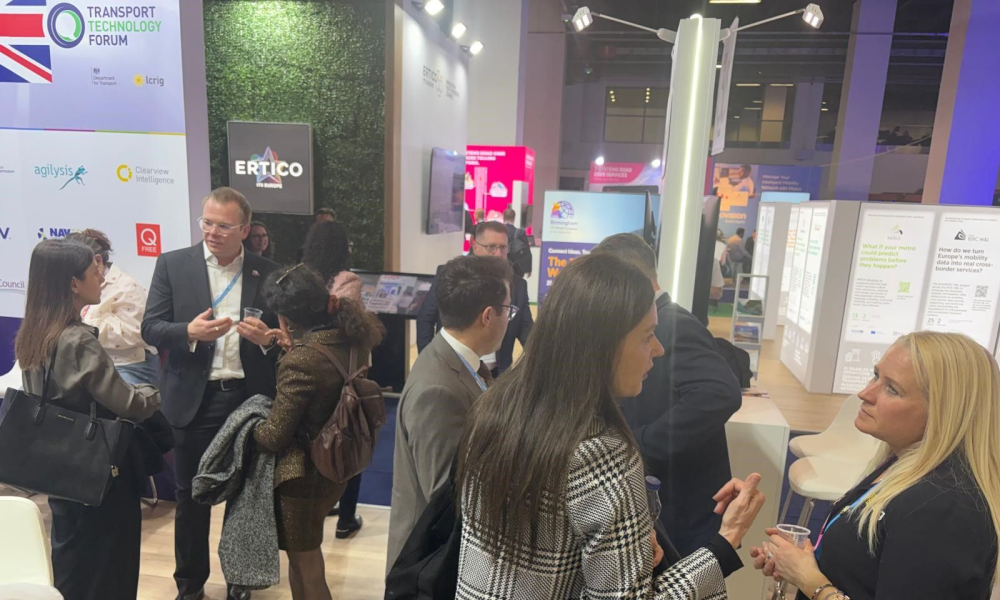
Amid this broader European narrative, the British presence stood out with a clarity and cohesion that drew consistent attention. The UK Pavilion, positioned prominently on the exhibition floor, became one of the most visited and talked-about national showcases of the day. and What made it distinctive was not just the quality of the companies represented, but the coherence of the story they told together. The Pavilion projected a confident message: the UK is not only contributing to the global ITS landscape, it is preparing to lead it.
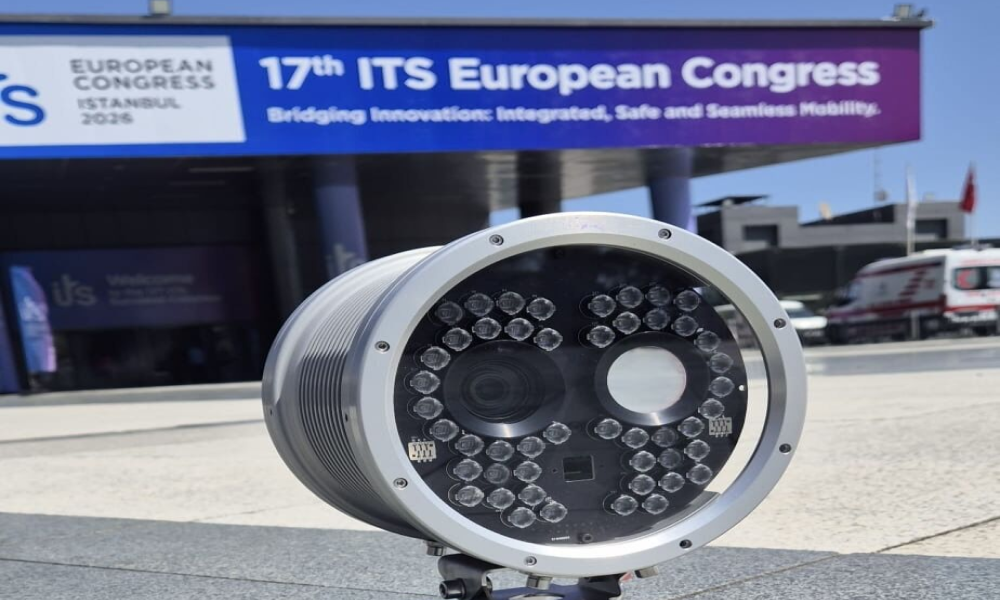
Of the companies represented in the UK Pavillion, MAV Systems is a great example of British innovation and capability. Their advanced Automatic Number Plate Recognition (ANPR) technologies resonated with international delegates due to the company’s emphasis on accuracy, resilience and cross-border operability, qualities that align perfectly with the Congress’s wider focus on interoperability. MAV’s conversations centred on next-generation AI-enhanced image processing which are used to tackle the issue of ‘ghost plates’ on vehicles trying to evade monitoring. Their work in complex urban environments, where reliability and precision are non-negotiable, positioned them as a benchmark for what modern enforcement technology should look like. For many attendees, MAV served as a reminder that British engineering continues to set standards in the enforcement and sensing domain.
What made the UK Pavilion especially compelling today was the sense of shared purpose among its exhibitors. Rather than presenting isolated technologies, the Pavilion conveyed a unified narrative about British capability, collaboration and readiness for global partnership. There was a quiet but unmistakable confidence in the air, a sense that the UK is not merely participating in the ITS conversation but shaping it. And underpinning that confidence was the growing anticipation for the ITS World Congress in Birmingham next year. To top everything off, The Transport Technology Forum hosted a ‘British-themed’ drinks reception this afternoon.
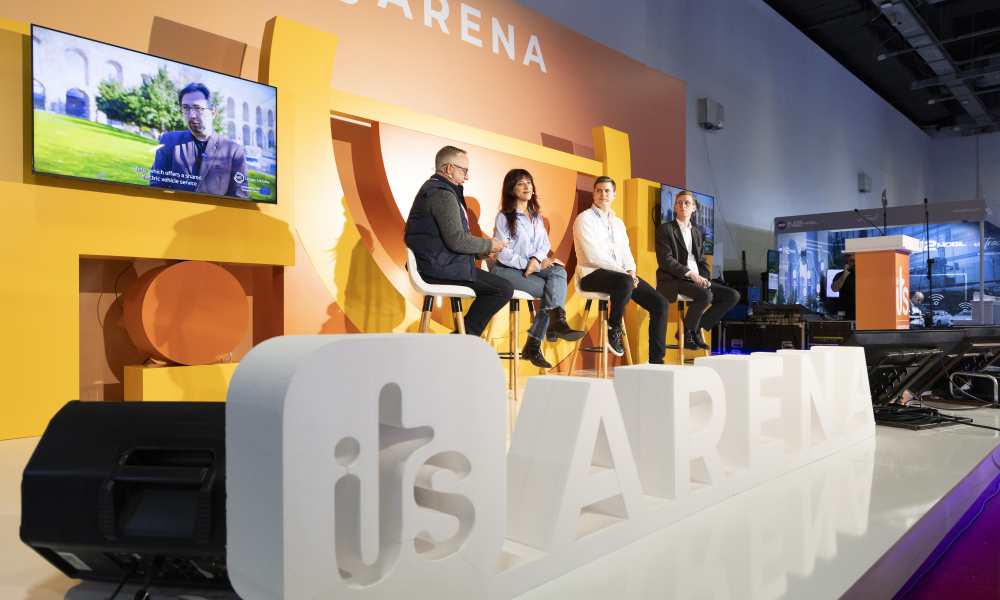
Although Birmingham 2027 remains more than a year away, it was already a recurring theme in today’s discussions. Delegates from across Europe and beyond spoke of it as a pivotal moment for the UK, a chance to showcase not only its technological strengths but its ability to deliver integrated, city-scale mobility solutions. The preparations for the World Congress are clearly influencing the UK’s presence in Istanbul, with companies using this year’s European Congress as a strategic platform to build visibility, forge partnerships and set the tone for what they intend to demonstrate on home soil. Several speakers referenced the UK’s leadership in connected mobility, data governance and digital infrastructure, noting that Birmingham will offer an opportunity to see these strengths in action at city scale. The sense of anticipation is not simply about hosting a global event; it is about demonstrating leadership at a moment when the sector is hungry for practical, deployable solutions.
Beyond the British presence, the Congress continued to explore the major themes shaping the future of mobility. Automation remained one of the most compelling threads of the day, with discussions focusing on the transition from trials to trusted operations. Cities shared lessons from real-world deployments, highlighting the importance of safety validation, public engagement and regulatory clarity. Freight automation, particularly in port and logistics environments, emerged as an area of rapid progress, with controlled conditions enabling faster deployment and clearer business cases. Human-centred design also featured prominently, with several speakers emphasising the need for intuitive interfaces and transparent communication to build public trust in automated systems.
Data governance, meanwhile, provided the day’s most grounded and pragmatic discussions. The sector is increasingly aware that data is the connective tissue of modern mobility and today’s sessions reflected a growing commitment to establishing consistent standards, ensuring cybersecurity and balancing openness with commercial sensitivity. Cross-border data flows, long a sticking point in European mobility, were discussed with a new level of realism and determination. The UK’s experience in open data, digital twins and real-time transport information contributed meaningfully to these conversations, reinforcing Britain’s role as a thought leader in data-driven mobility.
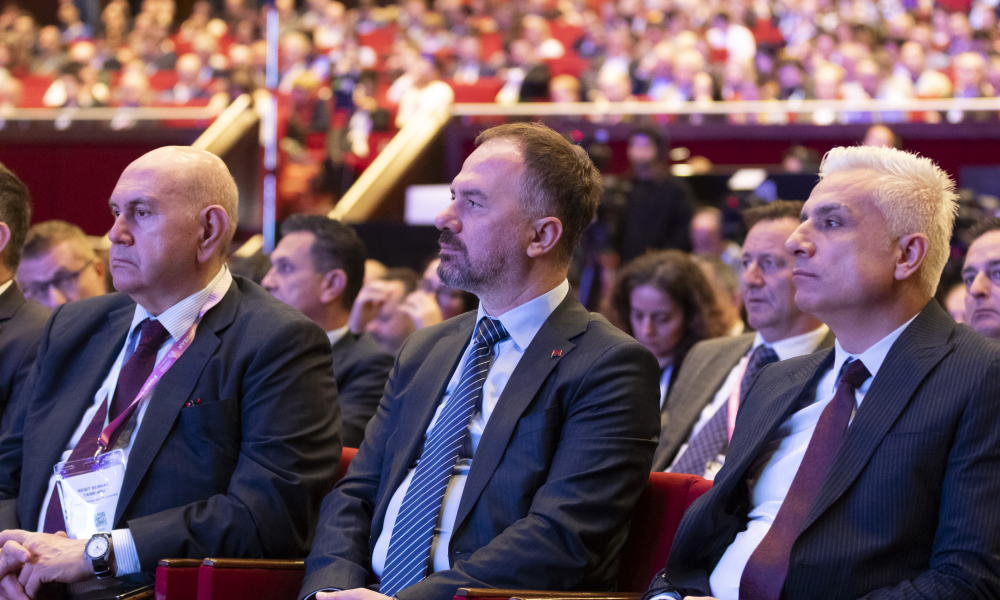
Urban mobility sessions continued to explore the challenges of integrating multiple modes while delivering equitable, sustainable and resilient transport systems. Case studies from European cities highlighted the importance of governance, accessibility and climate resilience, while discussions on micromobility and first-mile/last-mile connectivity underscored the need for flexible, user-centred solutions. The UK’s work in active travel, bus reform and data-driven network management was frequently referenced, positioning Britain as a key contributor to the wider European dialogue on sustainable urban mobility.
On the exhibition floor, the energy remained high throughout the day. Demonstrations of AI-enhanced traffic management, digital twins, smart EV charging infrastructure and sensor fusion technologies drew large crowds, reflecting the sector’s appetite for solutions that are both innovative and deployable. British companies were highly visible across these themes, reinforcing the UK’s reputation as a hub of practical, real-world ITS innovation.
As the day drew to a close, the mood across the Congress Centre was one of momentum and shared purpose. The conversations were grounded, collaborative and focused on outcomes. The British presence, anchored by the UK Pavilion played a significant role in shaping that narrative. And with Birmingham 2027 already casting a long and exciting shadow, the UK’s influence on the global ITS stage feels both timely and assured.
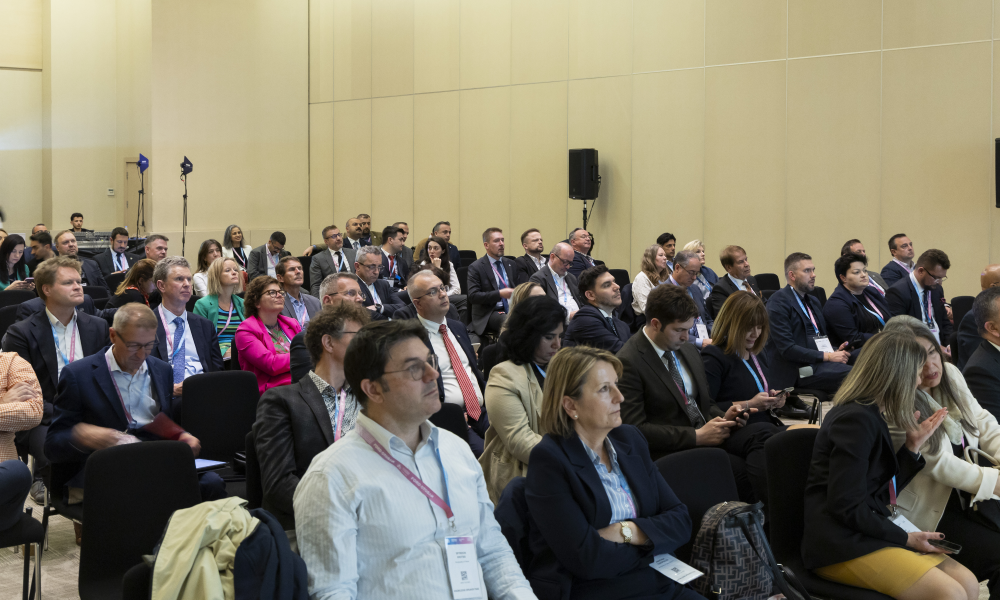
Whether you’re in Istanbul or at home, be HERE, at ITS Now.
Click the buttons below to see more articles:
See all ArticlesIndustry InsightEventsITS Thought LeadershipITS Educational