150x150.png)
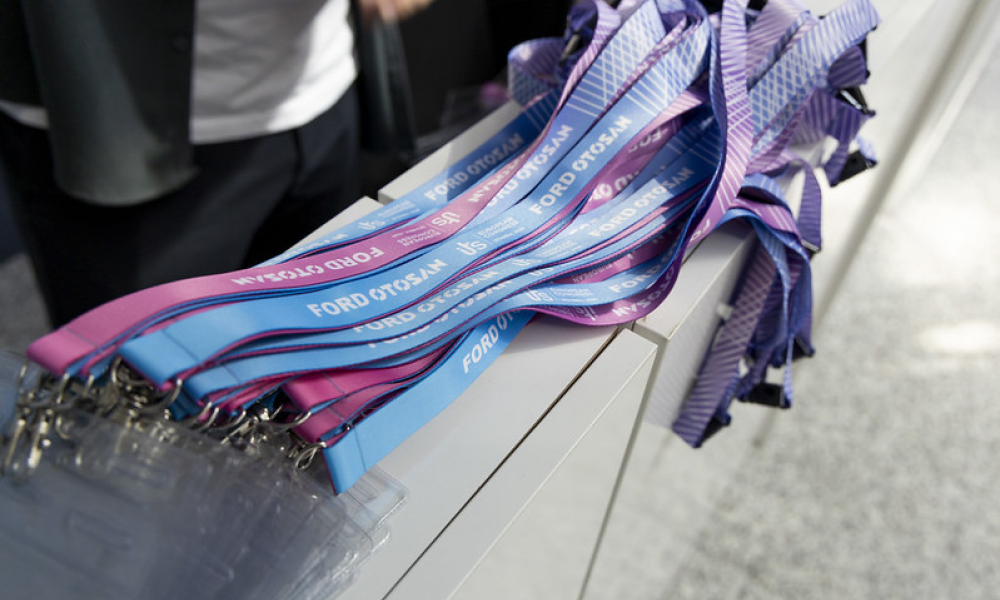
The second day of the ITS European Congress in Istanbul dawns with a sense of momentum that feels markedly different from the cautious optimism of previous years. If Day 1 was about setting the tone (a tone of scale, integration and a collective impatience to move beyond pilots), then Day 2 is where that ambition begins to take shape in the form of concrete discussions, technical deep-dives and the kind of cross-sector collaboration that has become the hallmark of Europe’s mobility transformation. Delegates returning to the Istanbul Congress Centre this morning will find a programme that is dense, purposeful and unmistakably forward-looking.
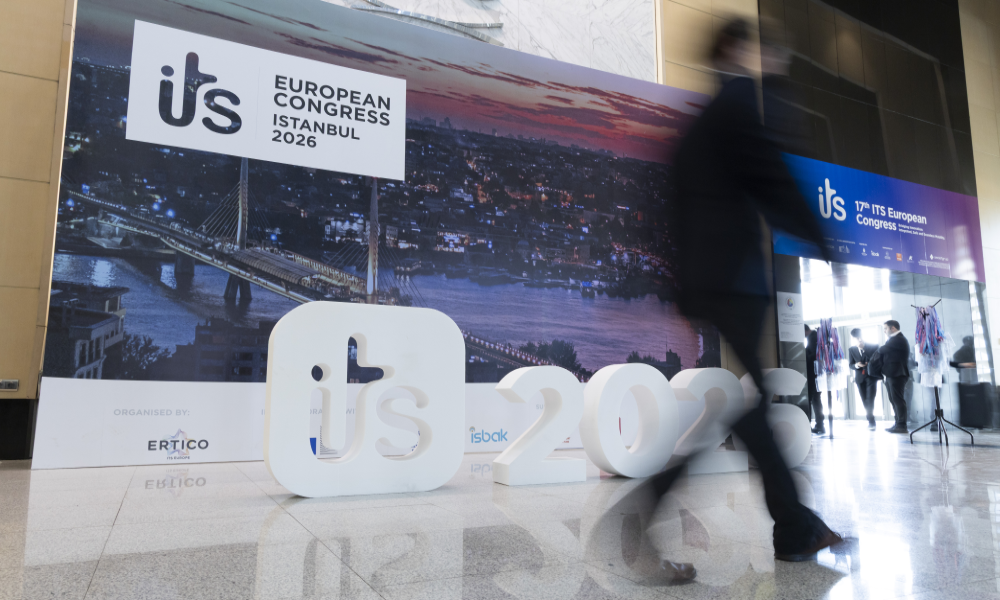
The day begins with a renewed focus on urban mobility, a theme that resonates strongly in a city like Istanbul, where the daily choreography of ferries, metros, buses and private vehicles plays out across two continents. The morning sessions will explore how cities can transition from fragmented digital initiatives to fully integrated mobility ecosystems. There is a particular emphasis on the practicalities of scaling multimodal platforms so that they are not simply consumer apps, but as operational tools that help cities manage demand, reduce congestion and improve air quality. Several European cities will be presenting case studies, offering delegates a rare opportunity to compare approaches, governance models and the political realities that shape deployment.
One of the most anticipated discussions of the morning centres on data governance and interoperability, a topic that dominated the corridors on Day 1. Today’s sessions will move beyond the philosophical framing of data as infrastructure and into the specifics of how that infrastructure should be built. Experts from public authorities, industry and academia will examine the frameworks needed to ensure that data flows securely and consistently across borders, modes and systems. The debate is expected to be lively, particularly around the balance between openness and commercial sensitivity, which is a tension that has long shaped Europe’s mobility landscape. Delegates will be watching closely for signs of convergence, especially as the EU continues to refine its regulatory approach to mobility data spaces.
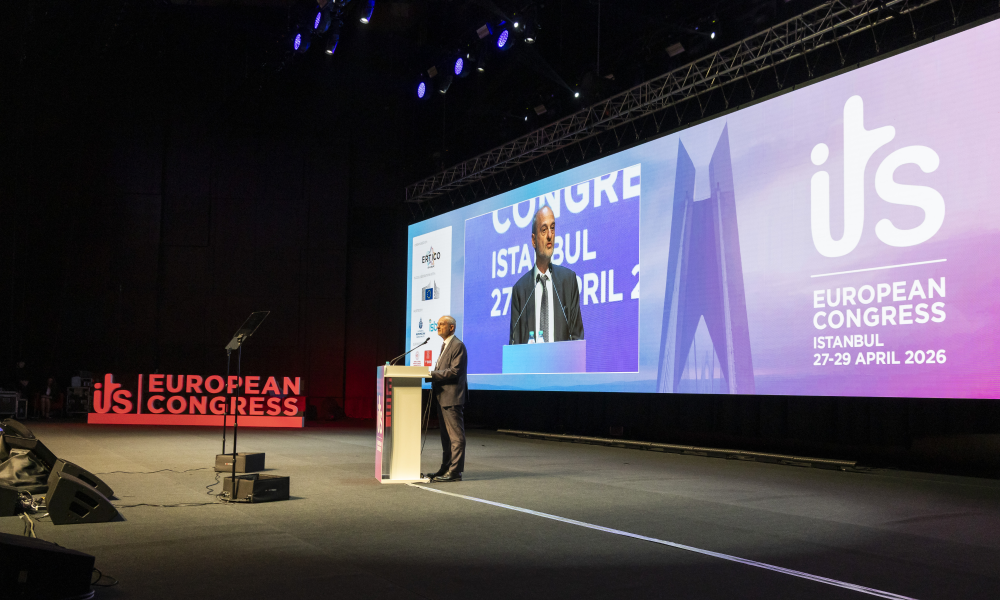
Automation also takes centre stage on Day 2, with a series of sessions dedicated to Connected and Automated Mobility (CAM). While Europe has spent years testing autonomous shuttles and controlled-environment deployments, today’s discussions will focus on the transition to mixed-traffic environments and the operational realities of integrating automated vehicles into existing networks. Several pilot operators and technology providers will share insights from recent deployments, including lessons learned about safety validation, public acceptance and the complexities of real-world conditions. There is a growing recognition that automation will not arrive as a single, disruptive leap but as a gradual layering of capabilities and today’s programme reflects that nuance.
Freight and logistics, often overshadowed by passenger mobility in public discourse, receive significant attention today. Istanbul, with its strategic position linking Europe and Asia, provides an ideal backdrop for conversations about digital freight corridors, port connectivity and cross-border logistics harmonisation. Sessions will explore how digital twins, AI-driven optimisation and real-time data sharing can reduce bottlenecks and improve resilience across supply chains. With geopolitical pressures and climate commitments reshaping freight operations across the continent, these discussions are expected to be among the most practically consequential of the day.

Another highlight is the focus on sustainability and climate resilience, themes that run through nearly every session but receive dedicated attention in the afternoon. Delegates will examine how ITS solutions can support cities and regions in meeting their climate targets, from electrification strategies to demand-management tools and intelligent energy systems. Istanbul’s own environmental challenges which include air quality to rapid urban growth, provide a compelling backdrop for these conversations, grounding the discussions in real-world urgency rather than abstract ambition.
Throughout the day, the exhibition floor will continue to buzz with activity. Day 2 traditionally sees deeper engagement between delegates and exhibitors, as the initial introductions of Day 1 give way to more substantive conversations. Technology providers will be demonstrating everything from AI-enabled traffic management platforms to next-generation V2X solutions, while start-ups bring fresh perspectives on user experience, micromobility integration and data visualisation. The Congress’s role as a marketplace of ideas, and increasingly, a marketplace of deployable solutions, will be on full display.
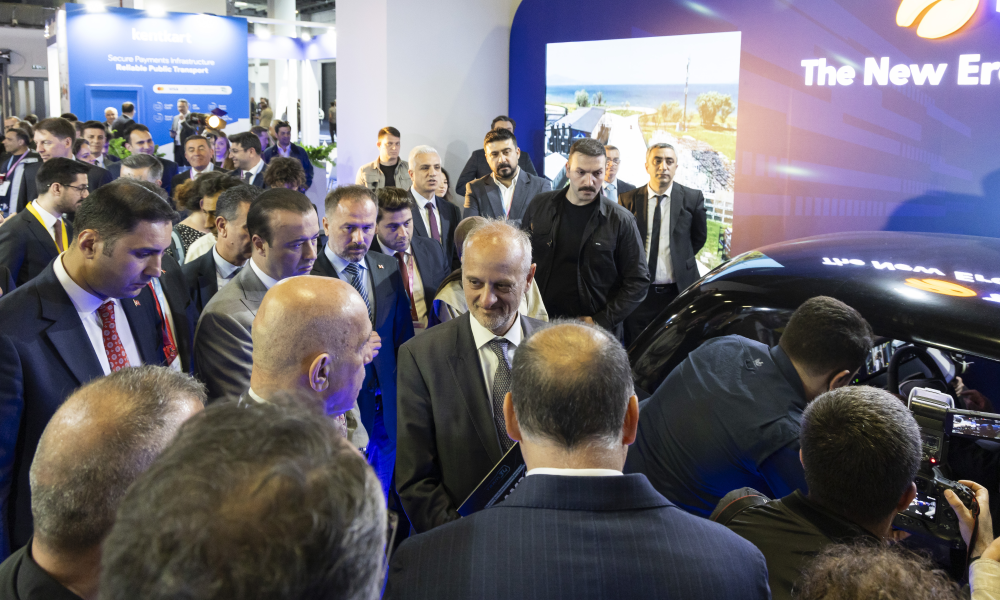
One of the quieter but equally important threads running through Day 2 is the focus on skills, workforce development and the future of the ITS profession. With the sector facing well-documented shortages in digital, engineering and operational expertise, several sessions will explore how Europe can attract, train and retain the talent needed to deliver the mobility systems of the future. The Young Mobility Network will again play a visible role, hosting discussions that bridge generational perspectives and challenge established assumptions about career pathways in the sector. For many organisations, these conversations are not peripheral but existential.
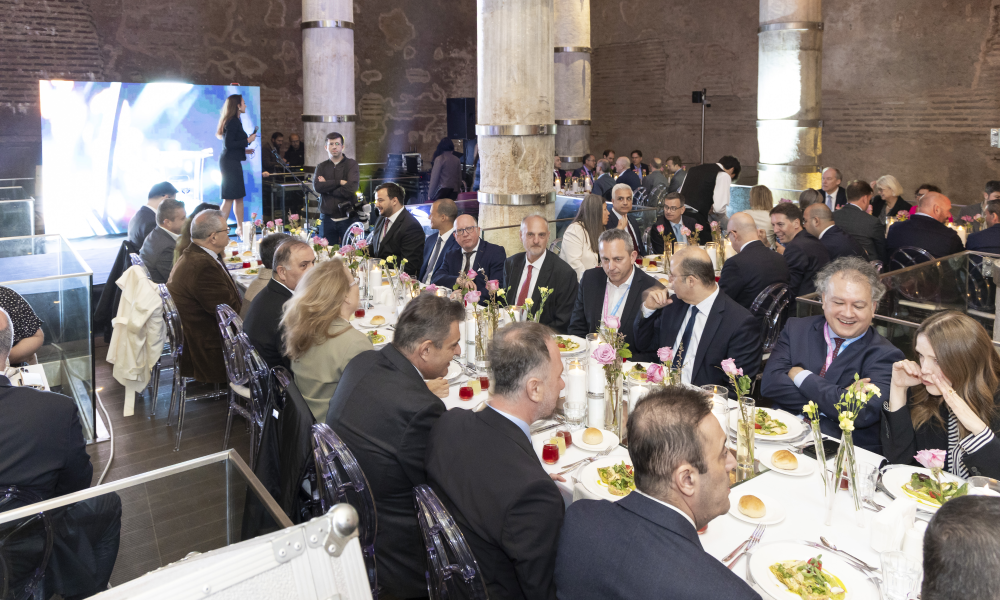
As the formal programme winds down, attention will turn once again to the city itself. Istanbul has a way of drawing people into its rhythm, and tonight delegates will have another opportunity to experience its unique blend of history, culture and hospitality. Several side events and receptions are planned across the city, offering a chance for informal networking and the kind of candid conversations that often shape partnerships more effectively than any formal session. Whether overlooking the Bosphorus or tucked into one of the city’s historic districts, these gatherings will provide a welcome counterpoint to the intensity of the day’s discussions.
What makes Day 2 particularly significant is the sense that the Congress is moving from vision to action. The themes that emerged so strongly on Day 1, integration, scalability, user-centricity and the centrality of data, will be tested today against the realities of deployment, governance and long-term investment. Delegates will be looking not only for inspiration but for frameworks, tools and partnerships that can help them translate ambition into implementation. Istanbul, with its layered history and dynamic mobility landscape, provides the perfect setting for these conversations.
As the second day unfolds, ITS Now will continue to follow every development, bringing readers the insights, announcements and perspectives that matter most. The Congress is only just beginning to reveal its full narrative, and Day 2 promises to be a pivotal chapter in that story.
Readers can return to ITS Now for daily updates throughout the week — and as always: Whether you're in Istanbul or at home, be HERE, at ITS Now.
Click the buttons below to see more articles:
See all ArticlesIndustry InsightEventsITS Thought LeadershipITS Educational