150x150.png)
Bridge strikes have become an almost routine headline in the UK transport sector, but that familiarity masks the scale of the problem. Incidents involving high-sided vehicles and low bridges continue to occur with worrying frequency, causing safety risks, infrastructure damage, service disruption and mounting costs for fleet operators and the wider economy.
According to John Nobbs, Sales Director at Durite, the persistence of the issue shows that traditional approaches alone are no longer enough. “Bridge strikes aren’t rare events,” he explains, “they’re happening regularly, often involving experienced drivers and they’re usually avoidable. That tells us something more is needed to support drivers in real-world operating conditions”.
Recent Network Rail data underlines the challenge. With more than 1,600 reported bridge strikes in a single year, the consequences extend far beyond the vehicle itself. Rail delays, emergency call-outs, infrastructure inspections and repairs all add up, with the taxpayer and the transport network ultimately bearing much of the cost. For fleet operators, the impact is even more direct, affecting vehicle availability, customer relationships and insurance premiums.
The industry has long promoted route planning, driver training and bridge signage as the first line of defence and Nobbs is clear that these remain essential. “Good route planning will always be fundamental,” he says, “we absolutely support that and nothing replaces a well-trained driver who understands their vehicle and the route they’re taking”.
However, he also acknowledges the realities of modern fleet operations. Tight delivery windows, last-minute route changes and variable loads can all increase risk, even for conscientious drivers. “Drivers are under pressure,” he says, “even when the right guidance is in place, it’s easy for something to be missed. And when you see the same bridges being struck year after year, it’s clear that signage and roadside warnings on their own aren’t always sufficient”.
That gap between guidance and real-world execution is where technology can make a meaningful difference, not by replacing good practice, but by reinforcing it at the point of risk.
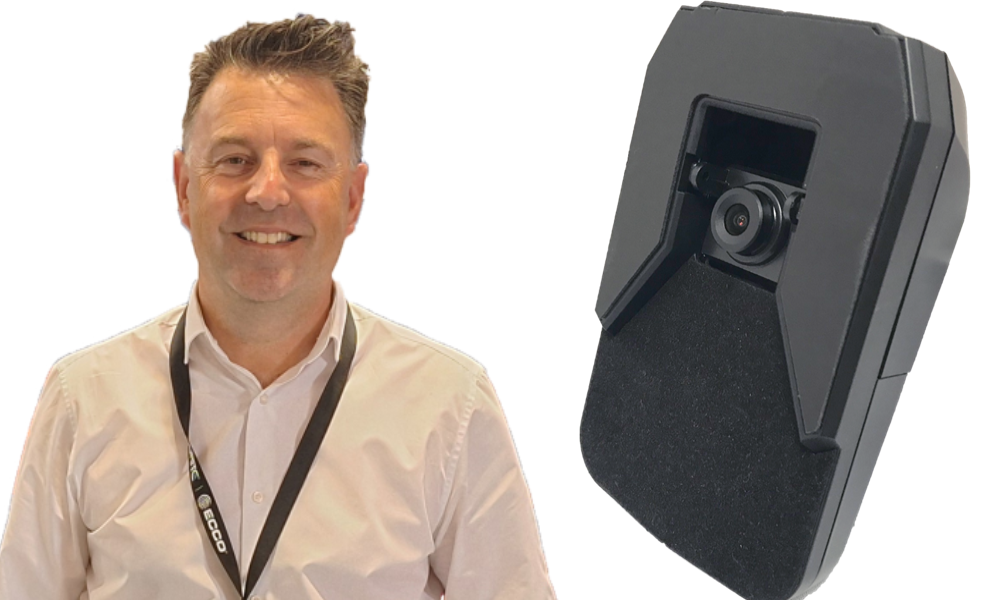
Durite’s AI Low Bridge Detection System reflects a deliberate shift in thinking. Rather than focusing solely on roadside infrastructure, the system places intelligence directly on the high-sided vehicles which are most at risk of bridge strikes.
“The traditional approach has been to protect individual bridges,” Nobbs explains, “roadside beams, sensors and warning systems all have a role and they do add value. But they’re fixed in one location. They only protect that specific structure”.
What makes vehicle-mounted detection innovative, he argues, is that protection moves with the risk. “When the system is installed on the vehicle, it works wherever that vehicle goes. You’re not limited to known hotspots or specific bridges. That makes it a powerful way to supplement existing roadside protection rather than compete with it”.
The system combines camera technology, artificial intelligence and high-accuracy 10 Hz GPS linked to a UK low-bridge database. By comparing programmed vehicle height with upcoming bridge clearances, it can alert drivers well in advance of a potential hazard, giving them time to slow down, stop or reroute safely.
“The emphasis is on timely, accurate information,” says Nobbs, “drivers aren’t being overloaded with alerts. They’re getting relevant warnings that support decision-making before they reach the bridge”.
One of the most important design considerations, he adds, is driver trust. Technology that generates false or irrelevant alerts risks being ignored altogether, undermining its safety value.
“That’s why the system allows vehicle height to be programmed,” Nobbs explains, “for fleets carrying variable loads, that’s critical. If the height changes from journey to journey, the alerts still remain accurate and meaningful”.
This flexibility has proved to be a key differentiator, particularly for operators running mixed fleets or vehicles with changing configurations. “If drivers trust the system, they engage with it,” he says, “and when they engage with it, it becomes a genuine safety aid rather than just another piece of hardware”.
While preventing physical damage is an obvious benefit, Nobbs is keen to stress that the true cost of a bridge strike goes much further. “There’s the immediate disruption, of course, the damaged vehicle, the delayed load,” he says, “but there’s also reputational damage, lost customer confidence and increased scrutiny from insurers and regulators”.
Repeated incidents can quickly translate into higher insurance premiums and greater financial exposure for operators. “From a risk perspective, every strike matters,” he explains, “reducing the likelihood of those incidents helps fleets demonstrate proactive risk management, which insurers take seriously”.
Vehicle-mounted detection systems therefore offer a form of reputational protection as well as physical safety. By showing a commitment to preventing strikes, operators can strengthen their safety culture and reduce the long-term costs associated with claims, downtime and insurance increases.
The system’s adoption by Sentinel Systems as part of its broader vehicle safety portfolio further reinforces its role within an integrated approach. Compatibility with MDVR systems and other in-vehicle safety technologies means low bridge detection doesn’t have to sit in isolation.
“That integration is important,” says Nobbs, “fleets don’t want lots of standalone systems. They want technologies that work together, that drivers understand and that fit into a wider safety strategy”.
Crucially, he is clear that AI-enabled detection is not a silver bullet. “This is about adding another layer of defence,” he says, “it supplements route planning, training and roadside measures. It doesn’t replace them”.
For fleets grappling with an issue that has proved stubbornly difficult to eliminate, that layered approach may be the most realistic path forward. “Bridge strikes have been a problem for a long time,” Nobbs reflects, “what we’re trying to do is support drivers with accurate, real-time information that reflects the reality of how fleets operate today”.
By shifting intelligence onto high-sided vehicles themselves, operators can extend protection beyond fixed locations, reduce risk exposure and take a proactive step towards safer, more resilient operations.
“When detection systems move with the vehicle,” he concludes, “they move with the risk, which is a far more effective way to protect drivers, fleets and infrastructure alike”.
Click the buttons below to see more articles:
See all ArticlesIndustry InsightEventsITS Thought LeadershipITS Educational