150x150.png)
The closing chapter of the MODI project unfolded in Antwerp with the kind of clarity that only comes when a long European collaboration reaches its destination. The city has always been a gateway for freight, ideas and experimentation, so it felt entirely fitting that the final event took place beside one of Europe’s busiest ports. Over the past three years MODI has tried to do something deceptively simple yet profoundly complex: prove that automated logistics can operate safely, efficiently and consistently across borders. Antwerp offered a stage where the project’s partners could show how far that ambition has travelled.
The tone of the event was confident rather than triumphant. MODI has never been a showcase for futuristic prototypes or speculative visions. It has been a working demonstration of how automated trucks, connected corridors and harmonised procedures can reduce friction in freight movements. The final gathering brought together public authorities, technology suppliers, logistics operators and research organisations who have spent years wrestling with the practicalities of deployment. Their message was clear, Europe is closer than ever to a logistics ecosystem where automated vehicles are not confined to test tracks but integrated into real corridors linking ports, terminals and distribution hubs.
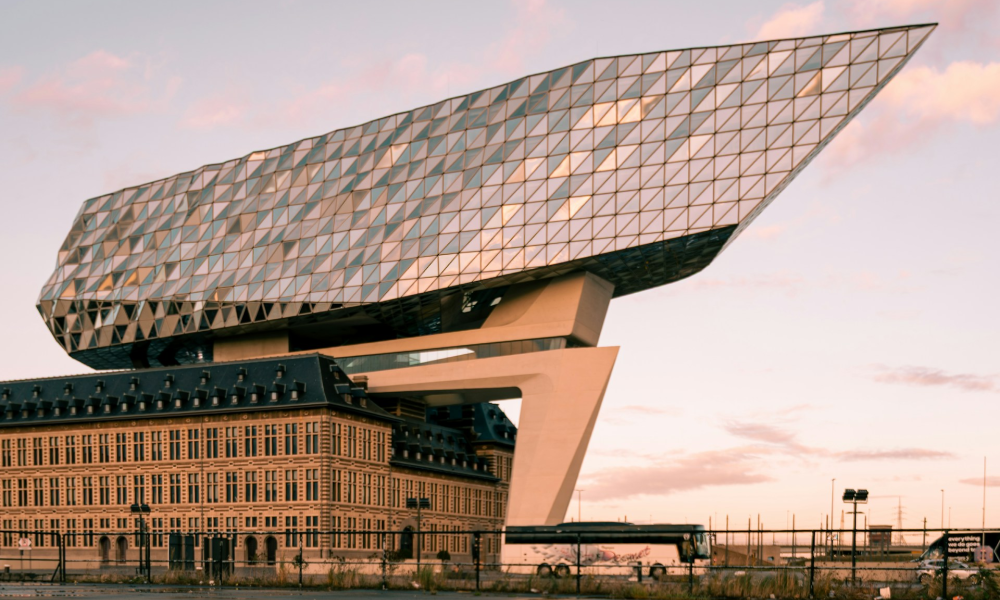
Antwerp’s stunning Zaha Hadid designed Port House provided a vivid backdrop for the discussion. Delegates could see the scale of the challenge in front of them, with thousands of containers arriving and departing, convoys of trucks navigating tight schedules, and a complex web of digital systems coordinating movements. MODI’s trials have shown that automation can support this environment rather than disrupt it. The project’s cross-border demonstrations between Norway, Sweden, Denmark, Germany and the Netherlands have illustrated how automated trucks can handle long stretches of highway, port access roads and terminal operations when supported by reliable connectivity and harmonised procedures. Antwerp’s role in the final event was to anchor those findings in a real operational context.
Speakers emphasised the importance of corridor thinking. Europe’s freight system does not operate within national boundaries. It flows along routes shaped by geography, trade and infrastructure. MODI has treated these corridors as living systems that require shared standards, interoperable digital tools and coordinated governance. The final event highlighted how connected corridor management can reduce delays, improve safety and support decarbonisation. Automated vehicles are only one part of the picture. They rely on digital traffic management, secure data exchange, resilient connectivity and clear operational rules. MODI’s work has helped define what those rules need to look like.
One of the strongest themes running through the conference was trust. Automation in logistics will only scale if operators, authorities and the public believe that the technology is safe and beneficial. MODI’s partners have spent considerable time developing safety cases, conducting risk assessments and engaging with regulators. The final event showcased how these efforts have created a foundation for future deployments. Delegates heard how automated trucks performed in mixed traffic, how remote supervision models were tested, and how human factors were integrated into operational planning. Trust is built through evidence, and MODI has generated a substantial body of it.
The project has also demonstrated the value of collaboration. No single organisation could have delivered the cross-border trials that MODI undertook. The final event reflected the diversity of the partnership, including vehicle manufacturers, logistics companies, research institutes, digital platform providers and public authorities. Their collective effort has produced insights that will shape European policy and industry practice. Antwerp’s discussions made it clear that collaboration will remain essential as Europe moves from pilot projects to scaled deployment. Automated logistics touches on transport, digitalisation, safety, labour markets and environmental policy. It demands cooperation across sectors and borders.
Attention also turned to the economic implications. Europe’s freight system is under pressure from rising demand, driver shortages, sustainability targets and the need for greater resilience. Automation offers a way to address these pressures without compromising safety or service quality. MODI’s trials have shown how automated trucks can support long-distance freight, port operations and terminal movements. They can operate during off-peak hours, reduce idle time and improve asset utilisation. The final event explored how these benefits could translate into competitive advantages for European logistics operators. Automation is not a replacement for human expertise. It is a tool that can enhance efficiency and support a more sustainable freight system.
The Antwerp gathering also looked ahead. MODI may be concluding, but its work is feeding into new initiatives across Europe. Delegates discussed how lessons from the project could inform future corridor pilots, regulatory frameworks and digital infrastructure investments. There was a sense that Europe is entering a new phase where automated logistics is no longer an experiment but a strategic priority. Antwerp’s port, with its blend of tradition and innovation, symbolised that transition. The city has always adapted to changing technologies and trade patterns. MODI’s final event suggested that automation will be part of its future.
Throughout, the narrative returned to a simple idea that automation in logistics is not about replacing the human element. It is about creating a system where people and technology work together more effectively. Remote supervision, digital coordination and automated driving can reduce repetitive tasks, improve safety and allow skilled workers to focus on higher-value activities. MODI’s trials have shown how this balance can be achieved. Antwerp’s discussions reinforced the belief that Europe can lead the world in responsible, human-centred automation.
As the event drew to a close, delegates reflected on the journey. MODI began with a vision of connected corridors stretching across Europe, supporting automated freight movements that are safe, efficient and sustainable. The final event demonstrated how much progress has been made. Automated trucks have travelled thousands of kilometres across borders. Digital platforms have coordinated movements in real time. Authorities have worked together to align procedures and regulations. Antwerp provided a fitting place to celebrate these achievements and consider what comes next.
The story of MODI is ultimately a story of Europe’s ability to innovate through cooperation. Automated logistics will not transform the continent overnight, but the foundations laid by MODI are strong. Antwerp’s final event captured a moment where ambition met evidence, and where the future of freight felt both tangible and achievable. Europe’s connected corridors are evolving, and automation is becoming part of their fabric. MODI has helped show the way.
Click the buttons below to see more articles:
See all ArticlesIndustry InsightEventsITS Thought LeadershipITS Educational