150x150.png)
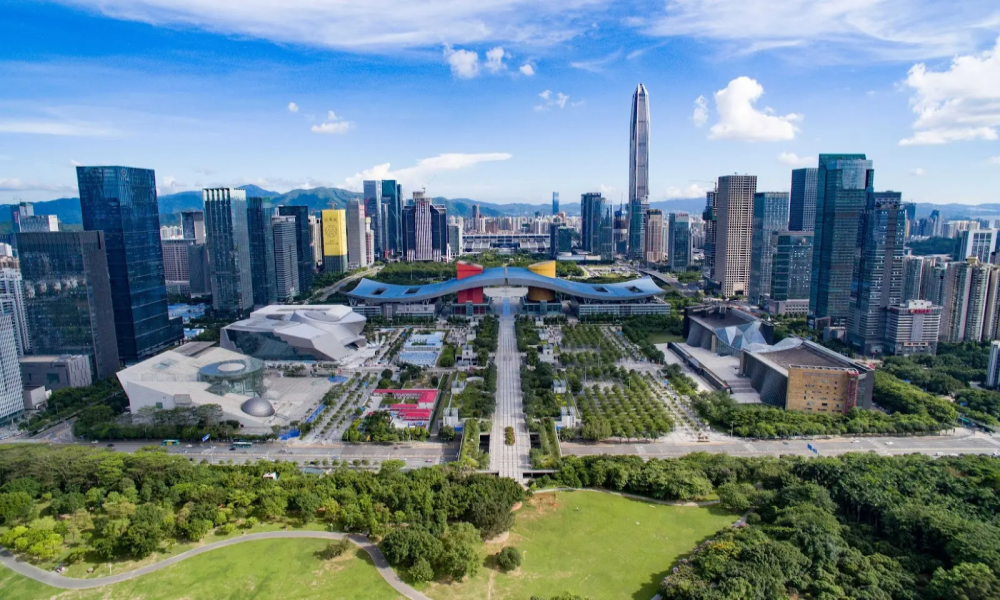
The Sensor Shenzhen 2026 exhibition has provided a clear signal that intelligent transport technologies are entering a new phase of maturity. Held from 14–16 April 2026 at the Shenzhen Convention and Exhibition Center in Futian, the event demonstrated how the mobility sector is shifting decisively from pilot projects towards large-scale deployment of Intelligent Transport Systems (ITS) and autonomous technologies.
With more than 600 exhibitors and some 20,000 professional visitors, the exhibition illustrated how sensors are no longer enabling technologies operating in the background, but core components shaping the future of connected transport. Across road, rail and logistics applications, sensor platforms are increasingly acting as the foundation of software-defined, data-driven mobility networks.
One of the strongest messages from Sensor Shenzhen 2026 was the commercial viability of advanced perception technologies. In particular, LiDAR systems were presented not as experimental hardware, but as scalable products now suitable for mass-market automotive and infrastructure use. This shift reflects a broader industry transition from intensive R&D towards cost-efficient manufacturing and deployment.
Multi-sensor perception attracted significant attention, especially radar-vision fusion solutions designed for highway and roadside monitoring. These systems combine complementary sensing modalities to improve reliability and accuracy, supporting earlier detection of incidents and enhanced situational awareness for traffic operators.
Cost reduction remains a critical driver of adoption. Industry forecasts presented at the event suggested that the hardware cost associated with high-speed assisted driving functions is set to fall rapidly, opening the door for advanced safety features to be offered across a wider range of vehicle segments. For ITS stakeholders, this trend reinforces the importance of preparing infrastructure and regulatory frameworks for increasing levels of vehicle automation.
Supporting this evolution, suppliers of test and measurement equipment showcased modular data acquisition platforms designed for real-world e-mobility applications. As vehicles and infrastructure become more software-driven, the ability to validate complex sensor and control systems under operational conditions is becoming an essential capability for manufacturers and operators alike.
Sensor Shenzhen 2026 also highlighted how ITS is evolving beyond conventional traffic signal management into a fully connected urban platform. Exhibitors demonstrated C-V2X (Cellular Vehicle-to-Everything) technologies that enable direct communication between vehicles, roadside units and wider municipal systems. By facilitating real-time data exchange, these solutions support safer, more efficient transport networks with reduced blind spots.
Infrastructure monitoring was another area of innovation. New positioning and displacement monitoring systems based on BeiDou satellite technology were presented, offering enhanced performance even in areas without public network coverage. Such capabilities are particularly relevant for asset monitoring, construction safety and resilience planning.
Public transport innovations featured prominently, including next-generation Intelligent Rapid Transit systems that deliver high-capacity, rail-like service on existing road infrastructure. By combining advanced sensing, automation and control technologies, these systems offer cities a more flexible approach to expanding sustainable urban mobility.
Predictive maintenance solutions also demonstrated the growing role of artificial intelligence within ITS. Platforms capable of analysing sensor data from vehicles, track and signalling systems aim to identify faults before they lead to service disruptions, supporting more reliable and cost-effective operations across rail and metro networks.
Beyond passenger transport, the exhibition showcased the rapid progress of autonomous systems in logistics and urban services. Autonomous delivery robots operating in live urban environments illustrated how machine vision and edge AI are enabling vehicles to navigate complex pedestrian spaces around the clock.
Strategic partnerships announced during the event underlined growing confidence in the scalability of these solutions. Autonomous security patrol vehicles and service robots are now being positioned for deployment across international markets, reflecting increased demand for automation in both public and private sector applications.
The overarching conclusion from Sensor Shenzhen 2026 is that the focus of the mobility sector is no longer solely on electrification, but on intelligence, connectivity and behaviour within integrated transport systems. As assisted driving functions continue to gain market penetration, sensors are becoming the critical interface between vehicles, infrastructure and digital platforms.
For the ITS community, the message is clear: intelligent transport is moving beyond concept demonstrations and into everyday operation. The technologies on display in Shenzhen underline a future in which data-driven decision-making, predictive capabilities and system-level integration will define how cities plan, manage and optimise mobility.
Click the buttons below to see more articles:
See all ArticlesIndustry InsightEventsITS Thought LeadershipITS Educational