150x150.png)
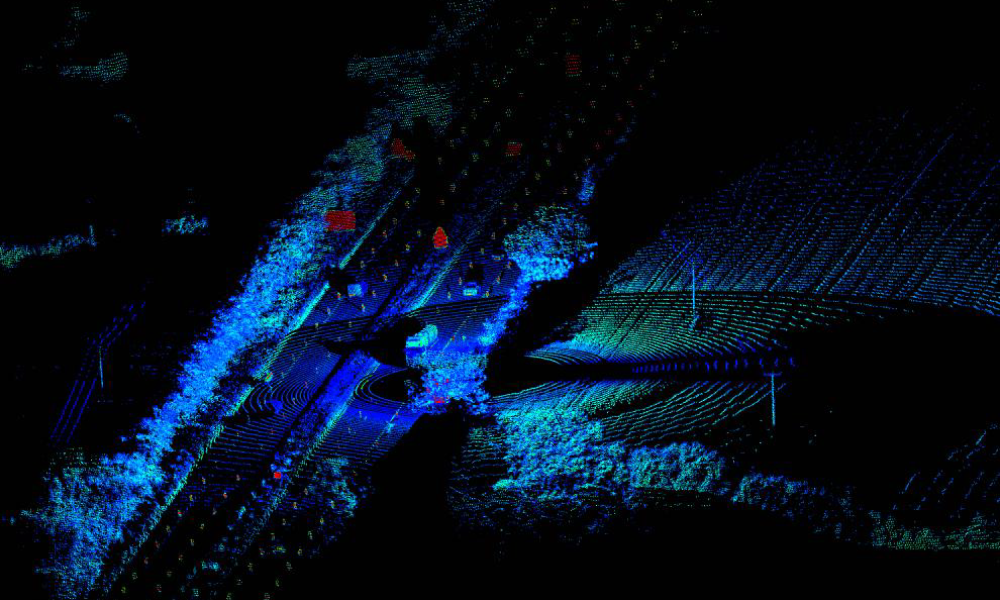
After two years of design, development and testing, VECTA has stepped into the market with the confidence of a system that already knows its worth. The platform has been built for hazardous object detection and advanced traffic analytics, yet its early performance suggests it is capable of reshaping how roadworks are monitored and understood. The technology has not arrived quietly. It has arrived proven.
A recent trial placed four VECTA towers along a one-kilometre stretch of live UK motorway for eleven months. This was not a laboratory exercise or a staged demonstration. It was a direct comparison between automated detection and traditional operator-led CCTV monitoring, carried out on genuine incidents as they unfolded. The intention was clear. Roadside Technologies wanted to understand not only how well the system performed, but how intelligent monitoring could sit alongside existing operational processes and strengthen situational awareness for those managing roadworks.
The results were striking. VECTA detected, classified and alerted on roadworks hazards within a second. Against 98 per cent of comparative incidents, it raised automated alerts 98 per cent faster than standard monitoring services. This level of responsiveness matters. Roadworks are dynamic environments where hazards can develop quickly, and earlier awareness can make the difference between a controlled response and a situation that escalates. The trial also examined vehicle classification and counting accuracy using CCTV recordings of 1,500 vehicles. VECTA maintained high performance in low light, rain and poor weather, achieving 100 per cent daytime vehicle classification accuracy, 98 per cent night-time vehicle classification accuracy and 97 per cent vehicle counting accuracy.
The volume of data generated during the trial revealed the scale of VECTA’s analytical capability. This continuous stream of information allowed detailed assessment of coverage performance, object classification, work-zone incursions, wrong-way driving events, queue formation and automated alerting behaviour. The trial did not simply show that VECTA works. It showed that it works at a scale and depth that can transform how roadworks are monitored.
Chris Moseley, Managing Director, described the significance of the trial. He said it provided the opportunity to prove VECTA in a live motorway environment, against genuine operational events and challenging weather conditions. He explained that the results demonstrate how intelligent, automated detection can give operators earlier awareness of developing hazards while complementing the CCTV systems and operational processes they already rely on. He called it an important milestone for VECTA and for the company’s ambition to help make roadworks safer and better informed.
The trial reinforced a central principle. VECTA is not a replacement for traditional CCTV. It is a supplement that enhances what operators can see, understand and act upon. Intelligent monitoring shifts roadworks from reactive observation to proactive awareness. Operators gain faster, better-informed decisions through a single platform that brings together live CCTV feeds, automated alerts, detailed reporting and in-depth analytics. The system does not remove human judgement. It strengthens it.
The origins of VECTA trace back to the National Highways Hazard Protection on Roads Accelerator, delivered by Connected Places Catapult. The system uses LiDAR combined with edge AI perception software and a fusion engine to maintain a continuously updated digital twin of the road. Hazards are identified automatically, and the technology is the subject of a pending patent application. This combination of sensing and intelligence allows VECTA to recognise stopped vehicles, congestion, queues, work-zone entry, cone-line incursions, wrong-way driving, pedestrian presence and other hazardous objects. When an alert is raised, the PTZ camera automatically turns to the area of interest so an operator can verify the incident and decide the appropriate response. Human oversight remains central to the process.
Gary Bray, Commercial Director, highlighted the value of clarity. He said VECTA turns complex roadside data into clear, actionable information. He explained that by combining automated alerts, live CCTV, reporting and traffic analytics within a single platform, the system enables customers to understand what is happening across a work zone and respond more quickly. He noted that having demonstrated this capability on a live UK motorway, the company is ready to work with highways partners to apply VECTA across a wider range of safety and operational challenges.
With the trial complete, Roadside Technologies is already developing planned enhancements to expand VECTA’s versatility and ease of use. The system has proven its capability on the road, and the next phase will focus on refining the operator experience and broadening the platform’s application across different environments and use cases.
VECTA will be available for demonstration at Highways UK 2026 at the NEC in Birmingham on 14 and 15 October. Attendees will be able to try the VECTA Cloud system themselves and see a preview of a new integration with variable message signs. The demonstration will offer a close look at how the platform brings together analytics dashboards, operational views, live CCTV feeds, maps and object streams within a single coherent interface.
Roadside Technologies continues to build on its long-standing reputation for innovation in traffic management and highway monitoring. The company manufactures and supplies variable message signs and monitoring equipment for infrastructure projects across the UK. With over forty years of combined industry experience and depots positioned strategically to support rapid delivery, it remains committed to improving road safety and efficiency through technology that is both advanced and accessible.
VECTA’s arrival marks a significant moment for intelligent roadworks monitoring. The trial has shown that automated detection can operate at speed, at scale and with accuracy in real conditions. It has shown that intelligent systems can complement human operators rather than replace them. It has shown that roadworks can be monitored with a level of awareness that anticipates hazards rather than simply observes them. The platform is ready for wider deployment, and the industry now has an opportunity to explore how this technology can support safer, better informed and more resilient roadworks across the network.
Click the buttons below to see more articles:
See all ArticlesIndustry InsightEventsITS Thought LeadershipITS Educational