150x150.png)
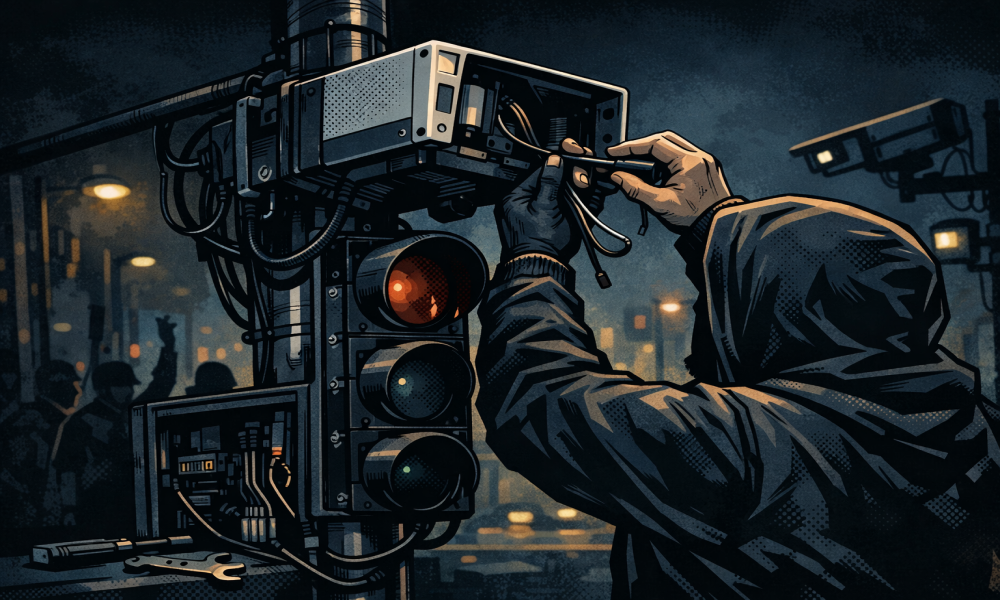
Across the UK, a quiet but troubling pattern has begun to surface in the world of traffic management and Intelligent Transport Systems. It is not driven by technology, nor by policy, nor by any of the usual forces that shape the sector. Instead, it is driven by fear, misplaced, unsubstantiated and increasingly weaponised. Traffic Technology Forum (TTF) members have been raising the alarm about a rise in confrontational behaviour towards people working in traffic systems, and a growing number of incidents where members of the public vandalise, disable, or steal roadside equipment. Vehicle detectors, pedestrian sensors, signal heads, comms cabinets, the very infrastructure that keeps roads safe and transport flowing, are being targeted by individuals convinced that these devices are spying on them.
This is not a fringe phenomenon. It is becoming a pattern. If the ITS sector does not act decisively, it risks allowing a dangerous narrative to take root, that traffic technology is surveillance technology, and that those who install or maintain it are agents of an untrusted system.
The irony, of course, is painful. The equipment being vandalised is often the least capable of anything resembling surveillance. Inductive loops buried in the road cannot see anything. Pedestrian push-buttons do not record anyone. Radar detectors measure movement, not identity. Even modern video-based detection systems are designed to classify traffic behaviour. These devices exist to prevent collisions, reduce congestion, optimise signal timings, and protect vulnerable road users. They are the quiet, unglamorous backbone of safe and efficient transport. Yet they are increasingly being treated as symbols of intrusion.
The roots of this hostility run deeper than a misunderstanding of technology. They sit within a wider collapse of trust in public systems, institutions, and data governance. For years, transport has been caught in the crossfire of debates about surveillance, privacy, and state overreach. The public has absorbed a steady diet of misinformation about cameras, sensors, and data collection. Social media amplifies conspiracy theories faster than any local authority can correct them, and Hollywood’s depiction of equipment capabilities is, to say the least, wildly wide of the mark. When trust erodes, fear fills the gap. Fear becomes anger. Anger becomes action.
TTF’s concerns highlight a critical turning point. When frontline engineers are being shouted at, threatened, or physically confronted for simply doing their jobs, something fundamental has shifted. When roadside equipment is being ripped out of the ground or smashed with improvised tools, the sector cannot dismiss it as isolated vandalism. These acts are not random. They are expressions of distrust. They are signals that a portion of the public no longer believes the transport system is on their side.
The ITS sector must treat this as an early warning and respond with urgency, clarity, and unity.
The first step is acknowledging that the sector has not always been proactive in explaining itself. ITS has traditionally operated behind the scenes, quietly delivering safety, efficiency, and reliability without demanding public attention. That invisibility was once a strength. Today, it is a vulnerability. In a world where people distrust what they cannot see or understand, silence creates space for suspicion. The sector must become far more visible, far more vocal, and far more human in how it communicates.
This means telling the story of ITS in ways that resonate with ordinary people. Not through technical specifications or procurement language, but through human outcomes. A radar detector is not a sensor, it is a device that prevents a child from being hit at a crossing. A traffic signal controller is not a cabinet, it is the reason ambulances reach hospitals faster. A network of detectors is not infrastructure, it is the intelligence that stops a city grinding to a halt. When people understand the purpose, the fear dissolves. When they see the benefit, the hostility softens.
The second step is rebuilding trust through transparency. The sector must be explicit about what data is collected, what is not collected, how it is used, and how it is protected. It must explain, repeatedly and consistently, that most ITS equipment does not capture personal data at all. And where systems do collect identifiable information, such as ANPR for enforcement, the sector must articulate the legal safeguards, retention limits, and governance frameworks that prevent misuse. Trust is not restored through reassurance alone, it is restored through openness.
Local authorities and suppliers should consider publishing simple, accessible “What’s in your street?” guides that explain each roadside device in plain language. They should host public demonstrations, open days, and community briefings. They should show people the technology, not hide it. When the public can see how a detector works, the myths lose their power.
The third step is protecting the workforce. No engineer should face aggression for maintaining public infrastructure. Authorities must ensure staff have clear reporting channels, rapid support, and the ability to escalate incidents. Training in conflict de-escalation may become necessary. Joint protocols with police may be required in areas where hostility is rising. The sector must treat frontline safety as seriously as it treats road safety.
The fourth step is addressing misinformation head-on. The ITS community cannot afford to ignore conspiracy theories or false claims circulating online. It must actively counter them with facts, evidence, and calm explanation. This is not about arguing with individuals, it is about ensuring that accurate information is always available, always visible, and always easy to understand. Industry bodies, professional associations, and local authorities should coordinate messaging so that the public hears one clear voice rather than a patchwork of disconnected statements.
Finally, the sector must recognise that trust is not built solely through communication. It is built through behaviour. When authorities engage communities early, listen to concerns, and demonstrate fairness in enforcement, trust grows. When suppliers design systems with privacy in mind and publish those design principles openly, trust grows. When the sector shows that it values public dignity as much as public safety, trust grows.
The rise in hostility towards ITS equipment and personnel is not yet a crisis, but it is a warning. If ignored, it will escalate. If addressed thoughtfully, it can be reversed. The ITS sector has an opportunity, and a responsibility, to act now, before fear becomes normalised and vandalism becomes routine.
Traffic technology exists to protect people, not watch them. It exists to make transport safer, smoother, and more humane. The public deserves to understand that, and the sector must ensure they do.
Click the buttons below to see more articles:
See all ArticlesIndustry InsightEventsITS Thought LeadershipITS Educational