150x150.png)
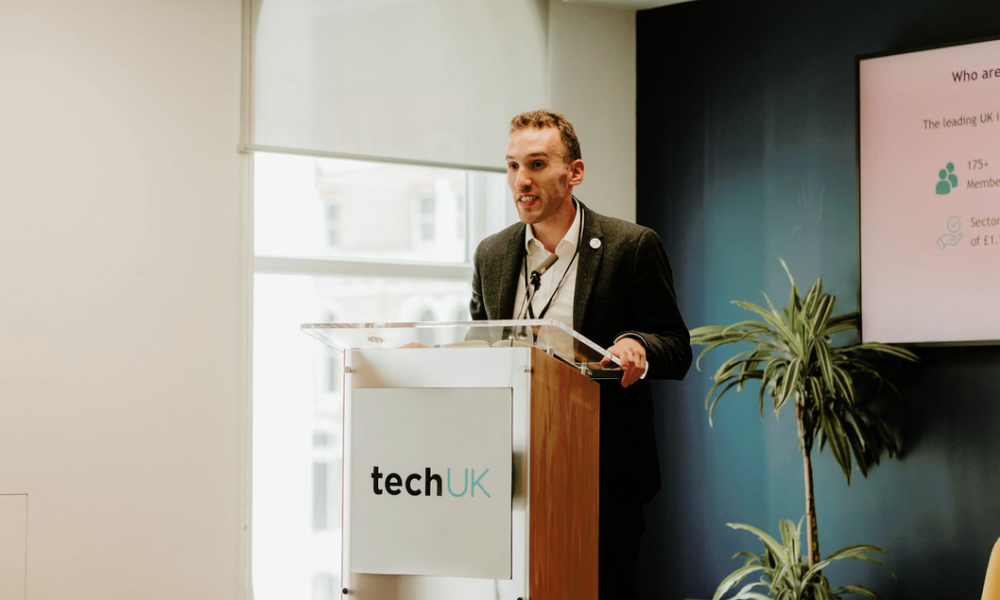
Mobilise 2026 in London, techUK’s flagship transport-technology conference is a barometer for the national mood, with this year’s theme, Strategy to Delivery, sharpened the focus on a question that has hovered over UK mobility policy for far too long: How do we turn an increasingly crowded landscape of strategies, consultations and legislative proposals into tangible improvements on the ground?
The past year has seen a remarkable acceleration in policy development. Integrated transport planning, new smart data schemes, the Railways Bill, regulatory consultations on autonomous vehicles, the transport AI strategy and the Law Commission’s proposals on autonomous aviation have all emerged in quick succession. Each initiative carries its own promise, yet the collective challenge is clear. The UK now has an abundance of direction, ambition and frameworks. What it needs next is delivery at scale, supported by the intelligent systems, digital infrastructure and mobility technologies capable of making these ambitions real.
Mobilise 2026 brought together the people who will shape that transition. Senior figures from government, transport authorities, technology companies, operators, innovators and academia gathered in Central London for an afternoon of candid discussion and practical insight. The tone was refreshingly grounded. Rather than celebrating strategy for its own sake, speakers and delegates leaned into the complexities of implementation, exploring how data, regulation, investment and technology must align if the UK is to build transport systems that are safer, cleaner, more efficient and more resilient.
Intelligent Transport Systems sat at the heart of these conversations. The sector’s evolution is no longer defined by isolated deployments or pilot projects. It is shaped by the convergence of connected vehicles, smart infrastructure, digital mobility platforms, artificial intelligence and advanced analytics. Mobilise 2026 made clear that this convergence is not a distant aspiration. It is happening now, and its pace is accelerating.
One of the strongest themes running through the day was the central role of data. Transport data and smart data schemes have moved from technical curiosity to strategic necessity. Delegates discussed how better data sharing between public authorities, operators and technology providers can unlock improvements in network performance, passenger experience and safety. The conversation extended beyond traditional transport datasets, touching on the growing importance of IoT devices, cloud platforms and machine learning models capable of interpreting real-time conditions and predicting future demand.
Artificial intelligence featured prominently, not as a buzzword but as a practical tool for delivery. The transport AI strategy has set expectations for how AI can support planning, operations and safety, yet Mobilise 2026 highlighted the need for clarity on governance, standards and risk management. Delegates explored how AI-driven analytics can optimise traffic flow, enhance incident detection, support predictive maintenance and improve multimodal coordination. The challenge lies in ensuring these systems are transparent, trustworthy and aligned with public-interest outcomes.
Autonomous mobility also commanded attention. Regulatory consultations on autonomous vehicles and the Law Commission’s proposals on autonomous aviation have created momentum, but the path to deployment remains complex. Mobilise 2026 provided a forum for discussing how connected and autonomous vehicles can integrate with existing road networks, how safety assurance frameworks should evolve and how public trust can be earned through careful, evidence-based rollout. The maritime and aviation dimensions added further depth, reminding delegates that autonomy is not confined to roads but spans ports, skies and supply chains.
The Railways Bill offered another anchor point for discussion. Its implications for digitalisation, data sharing and operational reform are significant, particularly for rail operators seeking to modernise signalling, passenger information systems and asset management. The conference explored how ITS principles can support a more integrated rail ecosystem, where real-time data, digital twins and intelligent scheduling tools help deliver a more reliable and efficient service.
Cybersecurity emerged as a critical thread running through every topic. As transport systems become more connected, their vulnerability increases. Mobilise 2026 addressed the need for robust cyber protection across vehicles, infrastructure, control systems and data platforms. Delegates emphasised that cybersecurity is not a technical afterthought but a foundational requirement for public confidence and operational resilience.
Sustainability framed many of the discussions. Intelligent Transport Systems are increasingly recognised as essential tools for achieving environmental goals. Smart traffic management can reduce congestion and emissions. Digital mobility platforms can encourage modal shift. Connected infrastructure can support electric vehicle charging strategies. Mobilise 2026 reinforced the idea that technology is not merely an enabler of efficiency but a driver of cleaner, more sustainable transport networks.
The conference also highlighted the importance of collaboration. Mobilise has always been a strong networking event, and this year’s edition continued that tradition. Technology vendors, transport authorities, government agencies, startups, investors and infrastructure providers engaged in conversations that will shape future partnerships and projects. The atmosphere suggested a sector ready to move beyond siloed thinking, embracing cross-industry cooperation as the foundation for delivery.
Throughout the afternoon, a recurring message emerged. The UK has reached a pivotal moment. The strategies are in place. The technologies are maturing. The policy landscape is active and evolving. Mobilise 2026 served as a reminder that the next phase demands commitment to execution, supported by intelligent systems capable of turning policy into practice.
The event’s focus on Strategy to Delivery captured this transition perfectly. It encouraged delegates to confront the realities of implementation, from regulatory alignment and funding models to interoperability and public engagement. It also showcased the breadth of innovation across the mobility sector, demonstrating that the tools required for delivery already exist. The challenge now is to deploy them at scale, with confidence and clarity.
Mobilise 2026 closed with a sense of momentum. The conversations were grounded, the insights were practical and the ambition was unmistakable. For those working across Intelligent Transport Systems and mobility technologies, the conference offered both a snapshot of current progress and a roadmap for the months ahead. It reaffirmed that the UK’s transport future will be shaped not only by strategy but by the intelligent systems, digital platforms and collaborative partnerships capable of delivering meaningful change.
If Mobilise 2026 demonstrated anything, it is that the sector is ready. The question is no longer whether the UK can deliver on its transport ambitions. It is how quickly it can turn strategy into action, and how effectively Intelligent Transport Systems can support that journey.
Click the buttons below to see more articles:
See all ArticlesIndustry InsightEventsITS Thought LeadershipITS Educational